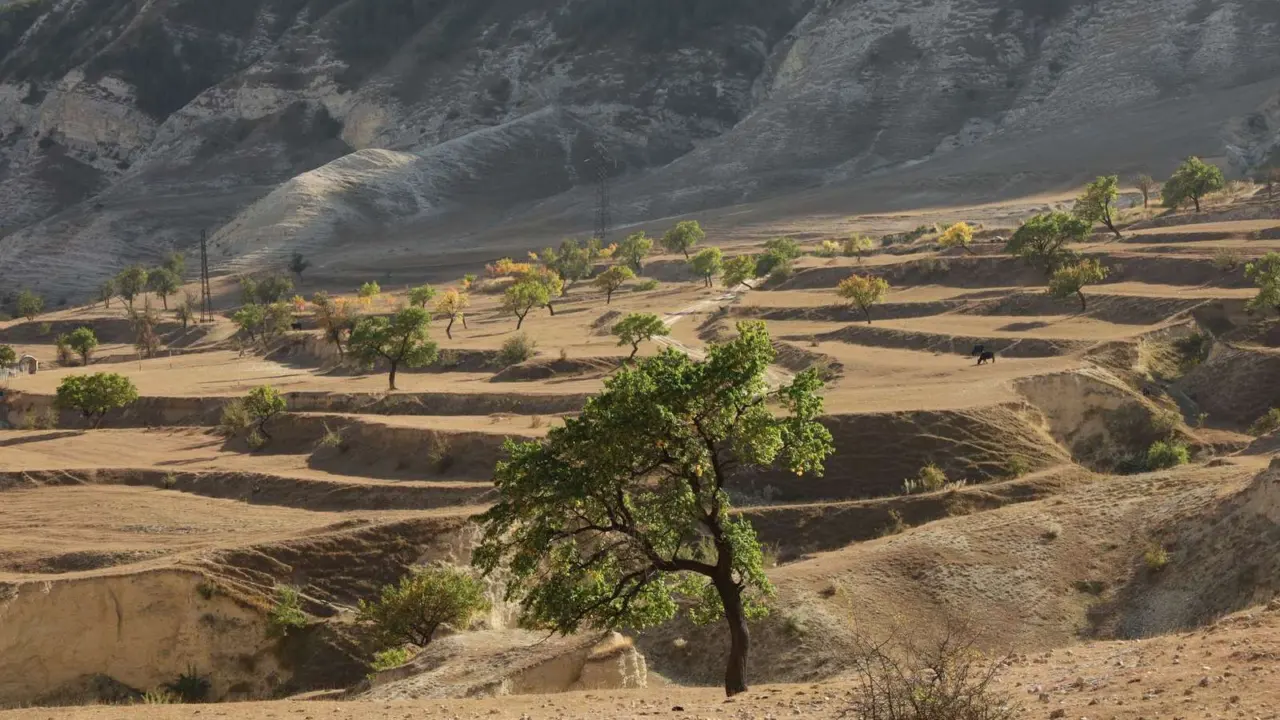
Watching your fields thin out is worrying, but land degradation restoration is possible. Start by slowing water, protecting soil and letting trees return, then add planting where nothing regrows.
This guide is a spoke of our wider guide to natural resource management in africa.
| Item | Value |
|---|---|
| Share of global land degraded | Up to 40 per cent |
| Increase in drought frequency and duration since 2000 | 29 per cent |
| Estimated return per dollar invested in restoration | Estimated between $7 and $30 |
| Annual restoration investment on current trends | Around $77 billion a year |
| Annual restoration investment needed | $355 billion a year |
| Land restored through Great Green Wall efforts | More than 20 million hectares |
Figures come from a UN News report on the UN Deputy Secretary-General’s remarks, republished by allAfrica on 25 August 2026. They can change, so check the source before you rely on them.
Why degraded land is worth restoring
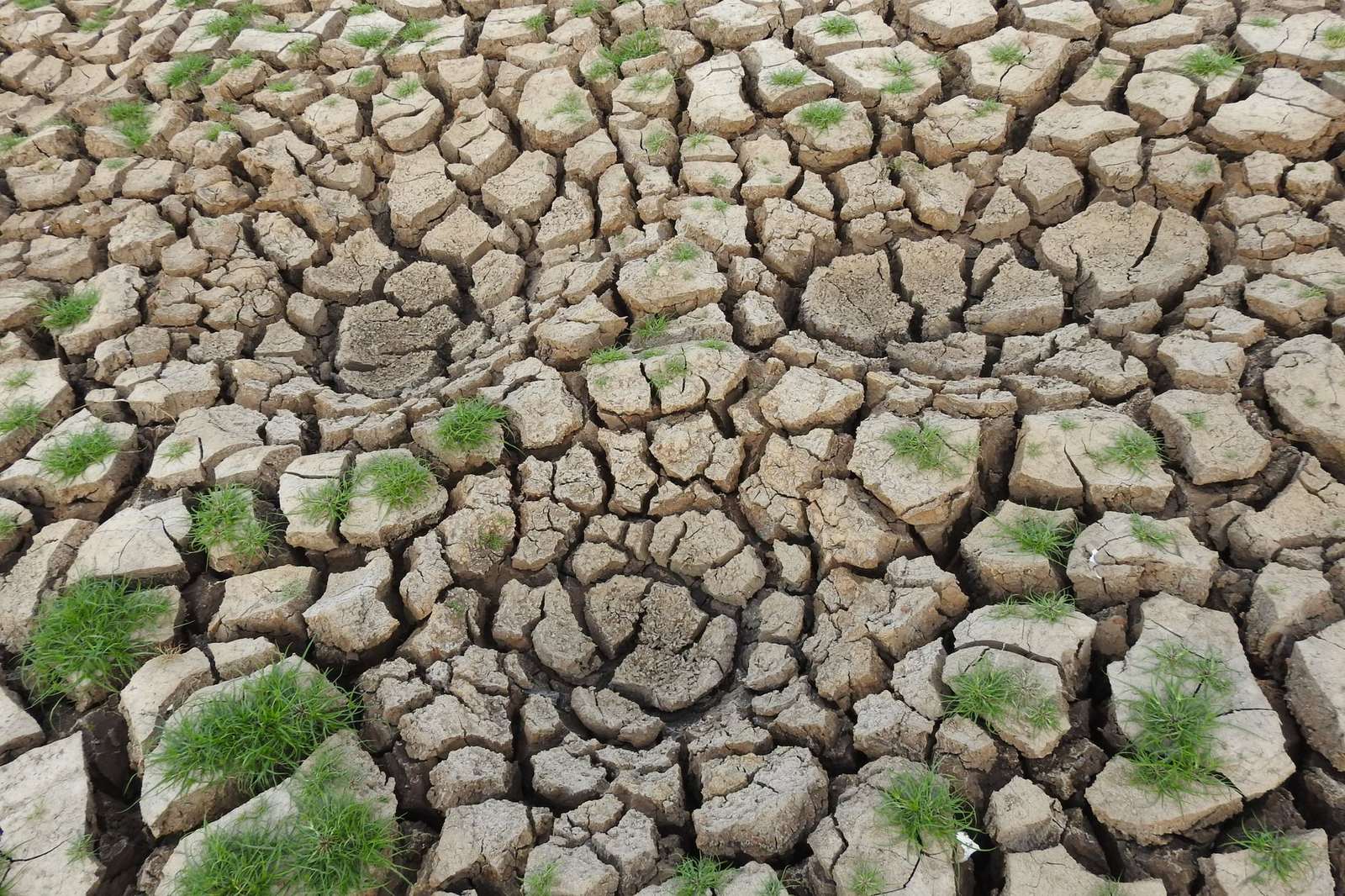
Degraded land produces less food, holds less water and gives people fewer ways to earn a living. According to the UN report of 25 August 2026, up to 40 per cent of the world’s land is degraded, and droughts have become 29 per cent more frequent and longer since 2000.
The same report says land degradation hits farmers’ and herders’ incomes, drives up food prices and puts pressure on water and energy systems. For a farm family, that means the cost of doing nothing shows up in the next harvest.
Restoration is not only a cost. The UN report says every dollar invested is estimated to return between $7 and $30, and that restoring land could generate around $1.8 trillion in annual benefits.
Read the land before you choose a method
Methods that work on one slope fail on another. Before you dig or plant, spend a season watching what the land is telling you.
- Follow the water. Walk the plot during a heavy rain and note where runoff gathers, where it cuts gullies and where it leaves silt.
- Check the soil surface. A hard, sealed crust means rain runs off instead of soaking in.
- Look for living roots. Stumps, root systems and seeds still in the ground may regrow if given a chance.
- Ask who uses the land. Grazing, firewood and farming claims all affect what can be protected.
Only then match the method to the problem. Runoff calls for water harvesting, bare soil calls for cover and organic matter, and a stripped landscape with no living stumps calls for planting.
Methods that work on the ground
No single technique fits every site. The most common, low-cost options fall into three groups.
Let trees regrow on farmland
Farmer-managed natural regeneration, often shortened to FMNR, is the encouragement of regeneration (and then management) of trees and shrubs that sprout from stumps, roots and seeds found in degraded soils. Farmers choose which shoots to keep, prune them and protect them from being cut or grazed.
Once established in farm fields, these woody plants improve soil fertility and moisture for crops planted with them, in a system known as agroforestry, as described in a Regeneration International interview with scientists from ICRAF. The interview also notes that Niger’s results gave hope that a low-tech, low-cost approach could succeed after many years of failed tree planting.
Catch and slow the water
In dry regions, rain arrives in short, hard bursts. Structures that slow runoff give water time to soak in.
- Stone lines and bunds across the slope slow runoff and trap soil.
- Zaï pits are small planting holes filled with manure or compost that hold water around the crop.
- Half-moons are semicircular basins that collect runoff for a tree or crop.
These are labour-intensive, so many farmers start with a small plot and expand once it pays back. Our sibling guide on watershed management explains how such works fit into a whole catchment.
Rebuild the soil
Soil that has lost its organic matter has little structure. The interview with the ICRAF scientists says the most important thing trees can do in the Sahel to sustain soil productivity is to improve soil carbon, because that improves soil structure.
Mulch, crop residues, compost and manure all feed the same process. Keep the soil covered, and keep animals from stripping new growth.
What scale looks like: Niger and the Great Green Wall
Farmer-led methods can reach very large areas. The UN report of 25 August 2026 says more than 20 million hectares have been restored through efforts associated with the Great Green Wall, including five million hectares regenerated by farmers in Niger.
The lesson is that small, repeated decisions by farmers add up. In the same interview, the scientists describe the news from Niger as encouraging, because a simple, inexpensive method might work where years of tree planting had failed.
The UN report adds that restoring land could generate around $1.8 trillion in annual benefits, which is one reason these farmer-led gains matter beyond a single field.
Even so, this is a single report’s summary, not a measured audit of every hectare. Treat headline totals as indications of scale, and judge your own plot by whether soil, water and crops improve season after season.
Plan, pay for and keep restoration going
Restoration needs looking after once the first work is done. A few habits may help it last.
- Agree who owns and may use the land and the trees before you start.
- Protect new growth from grazing and cutting for the first seasons.
- Record what you did and what happened, so the next plot starts smarter.
- Link plot work to wider practice, as set out in our guide to sustainable land management.
Money is also a gap. The UN Deputy Secretary-General warned that on current trends only around $77 billion a year will be invested of the $355 billion needed annually, according to the same 25 August 2026 report. That makes low-cost, farmer-led methods all the more relevant.
Frequently asked questions
What is the cheapest way to start restoring degraded land?
Show answer
Protecting trees and shrubs that already sprout from stumps and roots is a low-cost place to start. The ICRAF interview describes this as a low-tech, low-cost approach.
Is planting trees always necessary?
Show answer
No. Where living roots and seeds remain, regeneration can work without planting. Where nothing is left to regrow, planting may be needed.
How much of the world’s land is degraded?
Show answer
The UN report of 25 August 2026 says up to 40 per cent. That is an upper figure, so use it as a guide rather than an exact count.
Does restoration pay for itself?
Show answer
The same report estimates every dollar invested returns between $7 and $30. Returns on a single farm depend on site, method and care.