Worried your maize field is wearing out? Alley cropping grows food crops in the lanes between rows of pruned trees, and the prunings feed the soil.
This guide is part of our wider look at what is agroforestry.
| Item | Value |
|---|---|
| Basic design | Arable crops grown between rows of woody shrub or tree fallows |
| Tree management | Pruned periodically to prevent shading and provide green manure |
| Malawi trial length | 11 years |
| Maize yield with gliricidia prunings | 3.8 Mg per ha |
| Maize yield, sole maize, no amendments | 1.1 Mg per ha |
| Extra gain from 46 kg N per ha | 29% higher maize yield |
Sources: FAO paper on legumes in alley cropping and the Wageningen record of the Malawi trial. Figures can change as research is updated, so check the source before you rely on them.
How alley cropping works
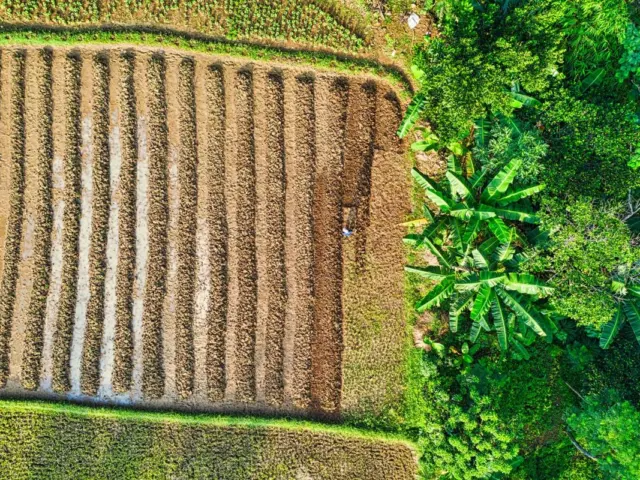
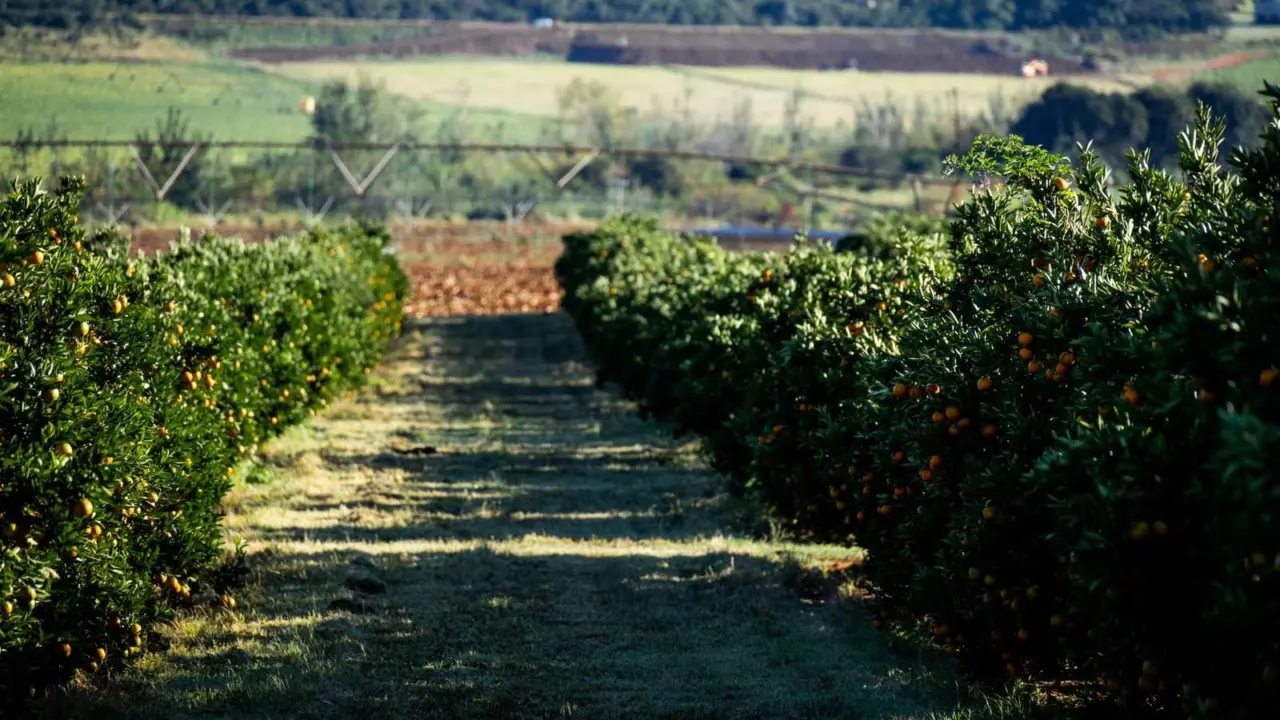
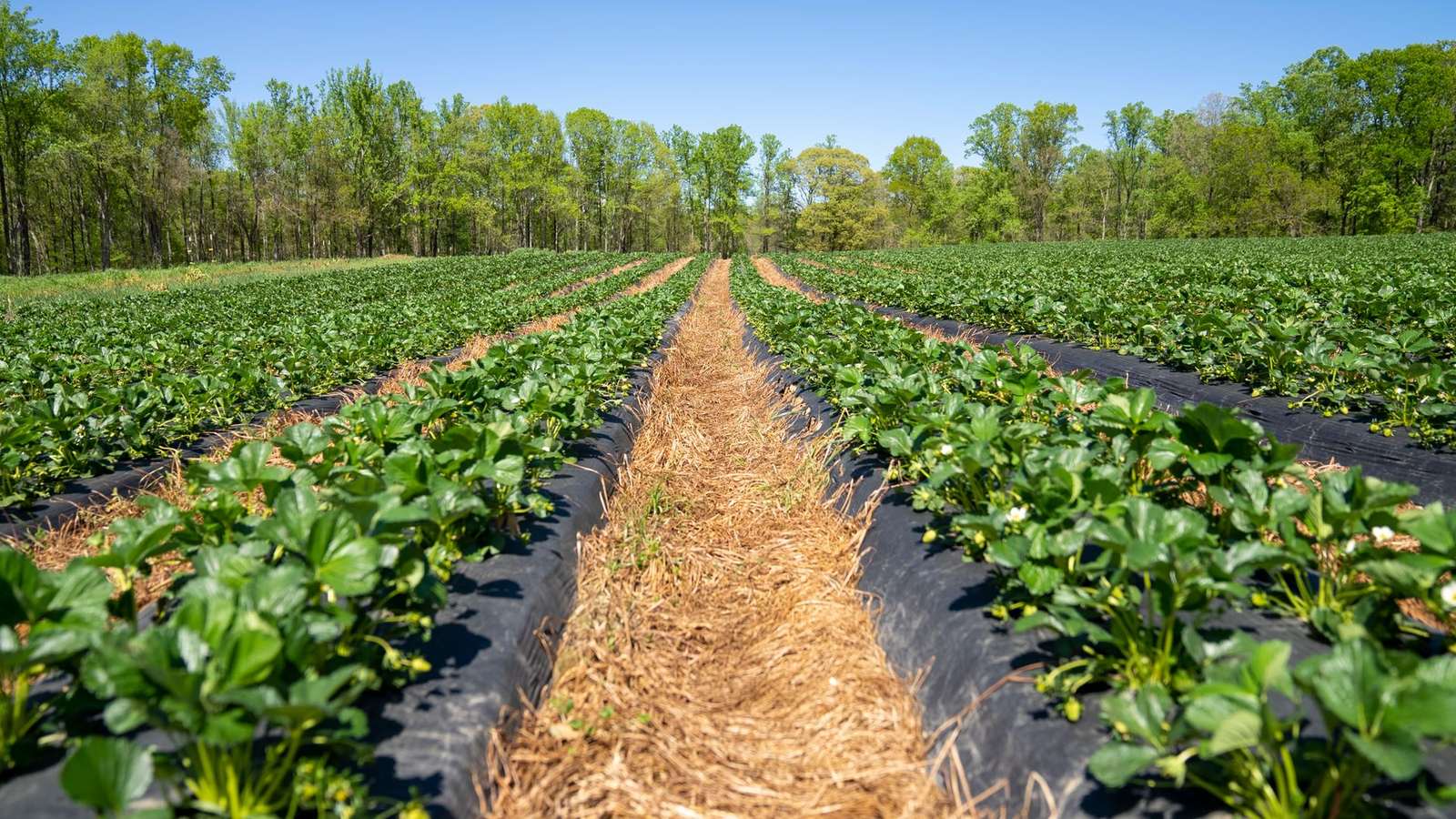
FAO describes it as an agroforestry system in which arable crops are grown between rows of woody shrub or tree fallows. The tree rows are the “hedgerows” and the crop lanes between them are the “alleys”.
The trees are pruned periodically during the cropping season. This stops them shading the crop and gives you green manure to spread on the soil.
The same source notes an advantage over traditional bush fallow: alley cropping combines the cropping and fallow phases, so the land does not have to rest unproductively.
Why farmers look at alley cropping
On many African farms the traditional answer to tired soil was bush fallow: leave the land to regrow, then clear it again. FAO’s paper notes that population and land pressure have resulted in the shortening of fallow periods, which are needed to restore soil productivity and to control weeds.
Alley cropping tries to keep that fallow function while the field stays in use. The tree rows act as a permanent fallow beside the crop, and their cuttings return nutrients to the lanes each season.
For a smallholder, the practical appeal is a few things at once:
- Green manure produced on your own plot, without buying it in.
- Some control over soil erosion and weeds from the leaf mulch.
- Poles, stakes or fuelwood from the trimmings, depending on the species.
- Fodder for livestock where the foliage is palatable.
These benefits are not automatic. They depend on the species, the soil and how carefully you prune.
Which trees suit the hedgerows
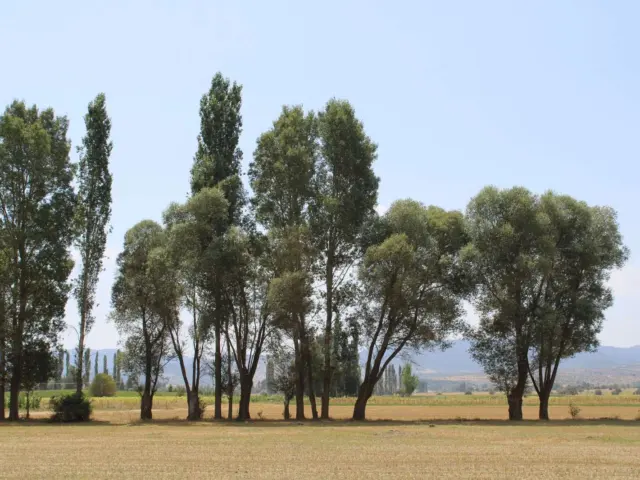
Fast-growing nitrogen-fixing legumes are the usual choice. FAO lists Leucaena leucocephala, Gliricidia sepium, Flemingia congests and Sesbania rostrata as showing good potential for alley cropping systems.
Good hedgerow species share a few traits:
- They regrow quickly after repeated cutting.
- They produce leafy biomass that rots down into nutrients.
- They fit your soil and rainfall, so test a few before planting everything.
A broader FAO list of genera that meet most requirements in the humid and subhumid tropics includes Albizia, Calliandra, Cassia, Flemingia, Gliricidia, Inga, Leucaena and Sesbania.
Species differ in what they do best. In one trial on an Alfisol, Cassia siamea suppressed weeds and raised maize yields more than Gliricidia sepium and Flemingia congesta. Sesbania grandiflora, by contrast, was tested at IITA with little success.
Soil matters too. Leucaena leucocephala and Gliricidia sepium are suitable on the less acid Alfisols and associated soils, but strongly acid soils with toxic aluminium or manganese remain a problem, and FAO says further research is needed there.
Other trees can fill different roles. For example, faidherbia albida is better known for scattered parkland planting than for tight hedgerows.
What a long Malawi trial found
A study in southern Malawi followed gliricidia-maize intercropping for 11 years. Over that time the gliricidia trees kept producing 4-5 Mg DM per ha of leafy biomass under intensive pruning.
Applying the prunings increased maize yield three-fold over sole maize without soil amendments, at 3.8 and 1.1 Mg per ha respectively. Maize yield also declined with time under sole maize cropping.
Adding a small dose of inorganic fertilizer, 46 kg N per ha, raised maize yield in the agroforestry system by a further 29%.
Setting up and managing your rows
Treat the steps below as a planning checklist, not a recipe. Local advice matters because soils and rainfall differ.
- Choose a legume tree or shrub suited to your soil and climate.
- Plant the hedgerows in lines, leaving alleys wide enough for your crop.
- Prune regularly during the season so the trees do not shade the crop.
- Spread the prunings on the alley soil as green manure.
- Watch yields over several seasons and adjust pruning or add fertilizer if needed.
Rows can also be oriented to cut wind, a topic covered in windbreaks and shelterbelts.
How it differs from live mulch and bush fallow
Alley cropping is one of several ways to put legumes to work for the soil. FAO’s paper also covers live mulches, where a low legume cover grows under or beside the crop.
Live mulches of Psophocarpus palustris and Centrosema pubescens smother weeds effectively and have been shown to sustain high maize yields with little fertilizer N input. That is a different route to a similar goal: the cover crop is herbaceous and spreads along the ground, while alley cropping relies on woody hedgerows that you cut back.
A simple way to compare the three:
- Bush fallow rests the land and clears it later, so the field is out of production while it recovers.
- Live mulch keeps a living ground cover with the crop to hold weeds down.
- Alley cropping keeps woody rows beside the crop and cuts them for green manure.
Choosing crops and fitting the plot
The Malawi trial used maize, the staple of many smallholdings, and that is the crop with the clearest evidence in the sources used here. Other cereals and legumes can be grown in the alleys, but you would be working beyond the evidence cited on this page, so start small and compare with a control strip.
A few practical points help when planning the plot:
- Run rows across the slope on hillsides so they slow runoff.
- Keep alleys wide enough that mature hedgerows do not shade the crop between prunings.
- Plan where the prunings will go and who will do the cutting, because the timing falls in a busy part of the season.
- Leave one strip without prunings so you can see the difference for yourself.
Local extension staff or farmer groups can tell you which species have already been tried on soils like yours.
Limits to keep in mind
Pruning takes labour, and the trees take up some of the land. The Malawi results come from one site, so your yields may differ.
Trees can also compete with crops for water and light if left unpruned. Regular cutting is what keeps the system working.
Soil is the other big limit. On strongly acid, leached soils, toxic aluminium or manganese can hold crops back, and FAO says more research is needed to find suitable species for low-input farming there.
In the Malawi study, adding a small dose of inorganic fertilizer (46 kg N per ha) to the agroforestry system increased maize yield by a further 29%. That is one site, so it does not show whether fertilizer is always needed on your land.
Finally, both main sources are research records. Results from a trial plot with careful management may not match a busy farm, so measure your own yields before you expand.
Frequently asked questions
What is alley cropping in simple terms?
Show answer
It is growing crops in lanes between rows of trees or shrubs that you prune regularly, using the cuttings as green manure.
Does alley cropping replace fertilizer?
Show answer
The evidence here does not say. In the Malawi trial, adding 46 kg N per ha of inorganic fertilizer raised maize yield a further 29%.
Which trees are used?
Show answer
FAO names Leucaena leucocephala, Gliricidia sepium, Flemingia congests and Sesbania rostrata as having good potential.
Why prune the trees?
Show answer
Pruning prevents shading of the crop and provides green manure for the companion food crop.