If you farm or study dry-country soils, faidherbia albida is worth knowing. This African acacia drops its leaves when crops grow and enriches the soil under its crown.
It is a good example of the practices covered in what is agroforestry.
| Item | Value |
|---|---|
| Rooting depth | Roots can grow to 40 m deep |
| Leaf habit | Reverse phenology: leafless in the early rainy season |
| Malawi maize under canopy | Up to 280 percent higher yield than outside the canopy |
| Zambia unfertilised maize (unpublished observations) | 4.1 tonnes per hectare near trees vs 1.3 tonnes beyond the canopy |
| Niger area with the tree | Over 4.8 million hectares |
The figures come from the August 2009 ScienceDaily report of a World Agroforestry Centre release and the ICRAF Agroforestree species profile. They can change, so check the sources before you rely on them.
What makes Faidherbia albida unusual
Most trees are in leaf while crops grow, so they compete with crops for light and water. Reverse leaf phenology turns that around. The tree goes dormant and sheds its nitrogen-rich leaves in the early rainy season, when seeds are being planted, then regrows its leaves when the dry season begins and crops are dormant, according to the 2009 report.
The ICRAF profile adds that being leafless in the rainy season minimises competition for sunlight with crops. It also notes that this protects them from birds until harvest time.
Research on the tree began over 60 years ago, when scientists observed that farmers across the Sahel were keeping the trees in their sorghum and millet fields.
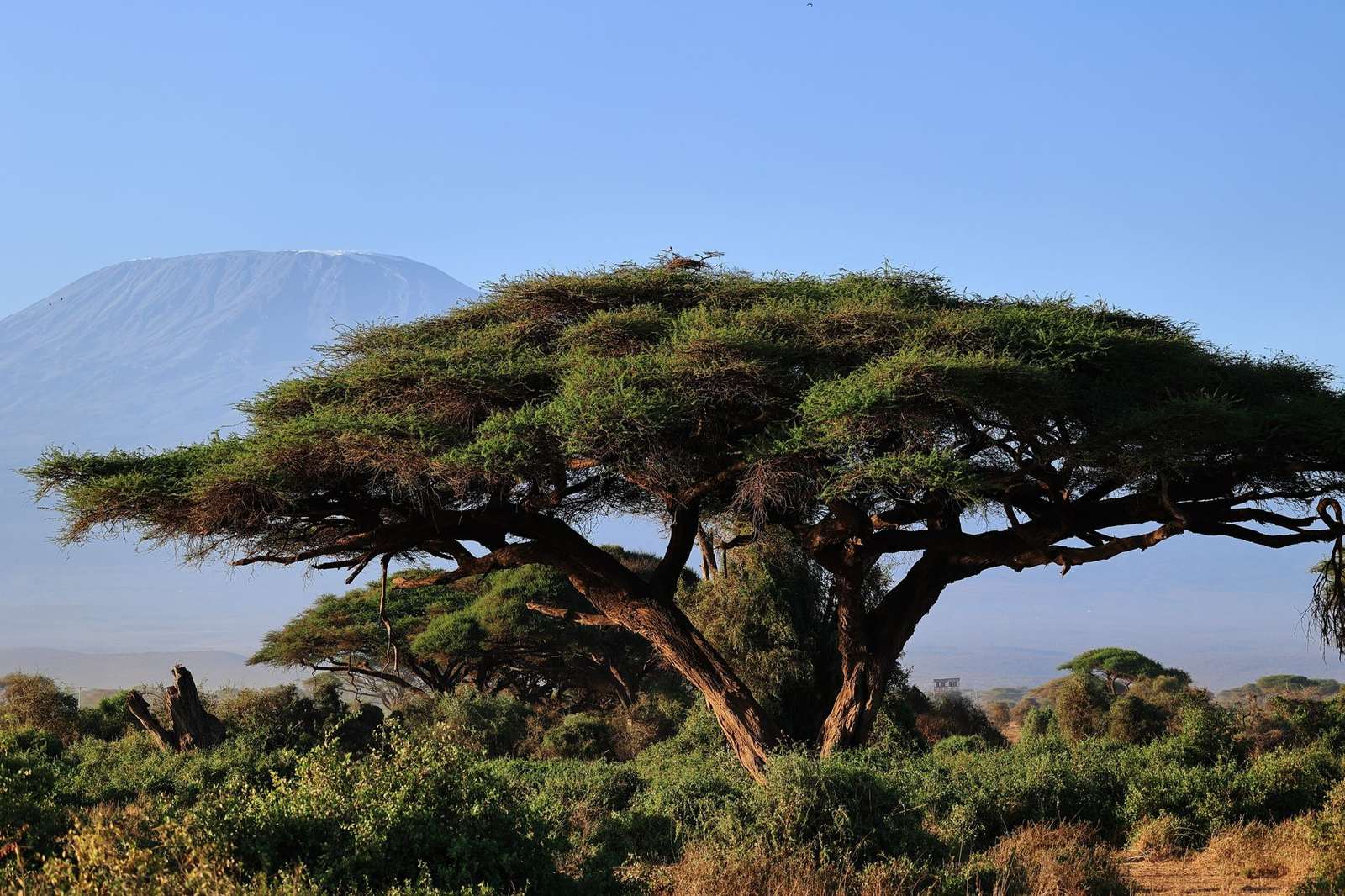
Where it grows and how it is built
In the wild, the tree grows on the banks of seasonal and perennial rivers and streams, on sandy alluvial soils, or on flat land where Vertisols predominate, according to the ICRAF profile. That pattern hints at its secret: its roots can grow to 40 m deep, so it reaches water and nutrients far below the crop roots.
The ICRAF profile also lists some identifying features, which help you recognise the tree in the field.
- Bark: rough and dark brown, or smooth and greenish-grey.
- Young branches: white to ashy grey and zigzag in shape.
Why farmers call it a fertiliser tree
The 2009 report describes the tree as a free source of nitrogen for soils that could last generations. Leaf fall at the start of the rains places organic matter on the field just as the new crop needs it. The ICRAF profile says the tree sheds its leaves in the rainy season, boosting the nutrient status of the soil for the new season’s crops.
The wider setting matters. The same report says African farmland is severely degraded and that African farmers, on average, apply only 10 percent of the soil nutrients used in the rest of the world. A tree that supplies nutrients without a purchase is attractive where fertiliser is costly.
What the yield numbers say
The headline claims come from the 2009 report. In Malawi, maize yields were increased up to 280 percent in the zone under the tree canopy compared with the zone outside it.
In Zambia, unfertilised maize near the trees averaged 4.1 tonnes per hectare, against 1.3 tonnes nearby but beyond the canopy. The report labelled those as recent unpublished observations, so treat them as a pointer rather than proof.
The same report lists yield increases for millet in West Africa, sorghum in Ethiopia, and groundnuts and cotton.
Results vary by site, tree density and management. A single “up to” figure describes the best case, not what every field will see.
How farmers use it on the farm
As of the 2009 report, the tree was growing on over 4.8 million hectares of land in Niger, and half a million farmers in Malawi and in the southern highlands of Tanzania grew it on their maize fields. The same report said the Departments of Agriculture in Malawi and Zambia were seeking to double maize production with the tree.
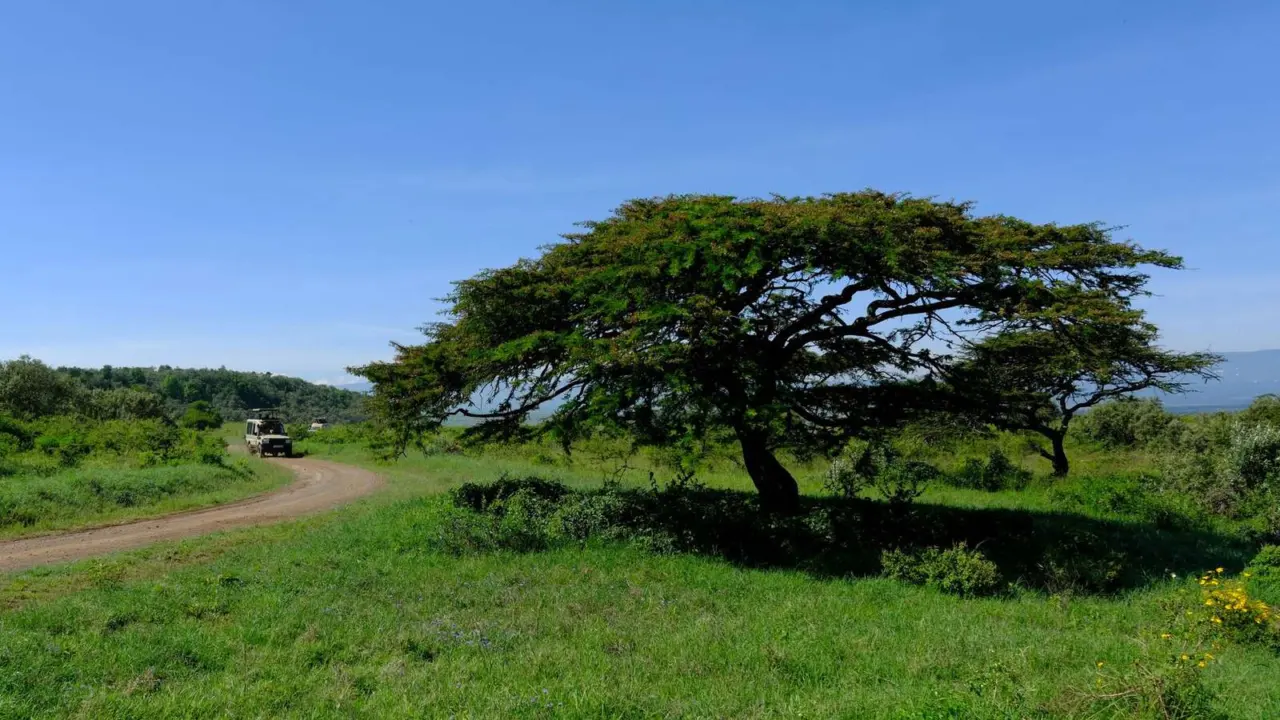
Farmers keep the trees scattered in their fields, a pattern that differs from the planted hedgerows of alley cropping.
Beyond fertility, the tree gives several other products:
- Fodder: leaves and pods are palatable and an important source of protein for livestock in the dry season, per the ICRAF profile.
- Wood and fuel: the 2009 report lists construction timber and fuelwood.
- Medicine, windbreaks and erosion control: bark is used medicinally, and the tree can act as a windbreak.
This parkland style is one of several, and you can compare it with others in types of agroforestry systems.
Why nitrogen matters so much
A 2009 NBC News piece (originally from Discovery Channel) quoted Lou Verchot of the Center for International Forestry Research saying that soil fertility is one of the major constraints to food production in sub-Saharan Africa, and that nitrogen is one of the most limiting elements.
The same piece notes that conventional agriculture provides nitrogen through man-made fertiliser, which can be prohibitively expensive for subsistence farmers. It adds that Faidherbia trees are used by farmers in Malawi and Zambia as fertiliser trees to replace nutrients in the soil and improve maize yields. You can read the original NBC News article for the full context.
The researchers quoted there see potential for the tree beyond Africa, in South America and much of south and Southeast Asia. That is a claim about potential, not a record of results.
Limits to keep in mind
The tree is not a quick fix. The ICRAF profile notes that seed treatments give 40-60 % germination in 6-30 days. It also says seed must be removed from the pods immediately because Bruchid beetle larvae invade it.
The yield figures above are best-case or unpublished, so measure what happens on your own plots before changing how you manage fertiliser.
A practical way to do this is to compare crop growth and harvest under the canopy with a similar area outside it, in the same season and with the same variety. Keep notes year after year, since a single season can mislead you, and record rainfall, tree size and any manure or fertiliser you applied alongside.
Finally, the ICRAF database carries a general warning that some tree species are invasive, so check local rules and advice before planting outside its native range.
Frequently asked questions
Where does the tree grow naturally?
Show answer
The ICRAF profile says it grows on the banks of seasonal and perennial rivers and streams on sandy alluvial soils, or on flat land where Vertisols predominate.
Does it really fix nitrogen?
Show answer
The 2009 report describes it as nitrogen-fixing. It also stresses the leaf fall in the early rainy season, which returns nitrogen-rich material to the soil.
Why does it lose its leaves in the rainy season?
Show answer
This is reverse leaf phenology. The tree is dormant while crops grow and leafy when the dry season begins and crops are dormant.
Can livestock eat it?
Show answer
Yes. The ICRAF profile says the leaves and pods are palatable to domestic animals and an important source of protein in the dry season.