Trying to sort the types of agroforestry systems can feel confusing. The short answer: FAO groups them into three main types, agrisilvicultural, silvopastoral and agrosilvopastoral, with many practices inside each.
This guide builds on what is agroforestry, which covers the basic idea.
| Item | Value |
|---|---|
| Main types of agroforestry systems (FAO) | 3 main types |
| Practices in temperate regions (Cornell Cooperative Extension) | Six practices: windbreaks, riparian forest buffers, alley cropping, silvopasture, forest farming, urban agroforestry |
| Silvopastoral systems | Trees and grazing of domesticated animals, including in rangelands |
| Faidherbia albida in fields, Gao Project, Niger | 4.9 trees/ha in 1981 to 29 trees/ha in 1992 |
| Dominant parkland trees regenerated naturally, Dori, Burkina Faso | 90 percent |
Sources: FAO agroforestry overview and FAO chapter on improved parkland management. Figures can change, so check the sources before you rely on them.
How are agroforestry systems classified?
FAO describes agroforestry as a collective term for land management systems where woody perennials such as trees, shrubs, palms and bamboos are deliberately integrated with crops and/or animals. The trees can be arranged in space or in a sequence over time.
From that definition FAO draws three main types:
- Agrisilvicultural: trees combined with crops, such as alley cropping or homegardens.
- Silvopastoral: trees combined with grazing of domesticated animals, including in rangelands.
- Agrosilvopastoral: trees, animals and crops together, such as homegardens involving animals.
Other schemes sort systems by climate, by function or by how they are laid out. No single scheme fits every landscape, so treat the labels as a guide to the components, not rigid boxes.
Agrisilvicultural systems: trees with crops
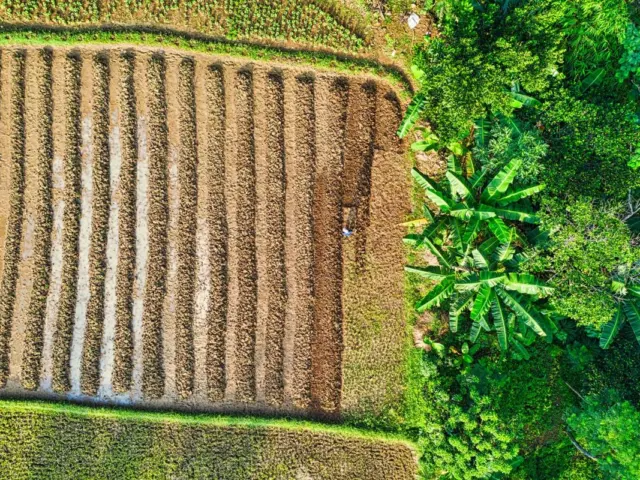
In this family, trees are combined with crops. The trees stay in or beside the crop field, and the farmer harvests both.
Alley cropping means planting rows of trees and/or shrubs to create alleys in which crops are grown, according to Cornell Cooperative Extension’s definition. The tree rows may supply fodder, firewood, mulch or fruit, while the alleys carry maize, beans or vegetables.
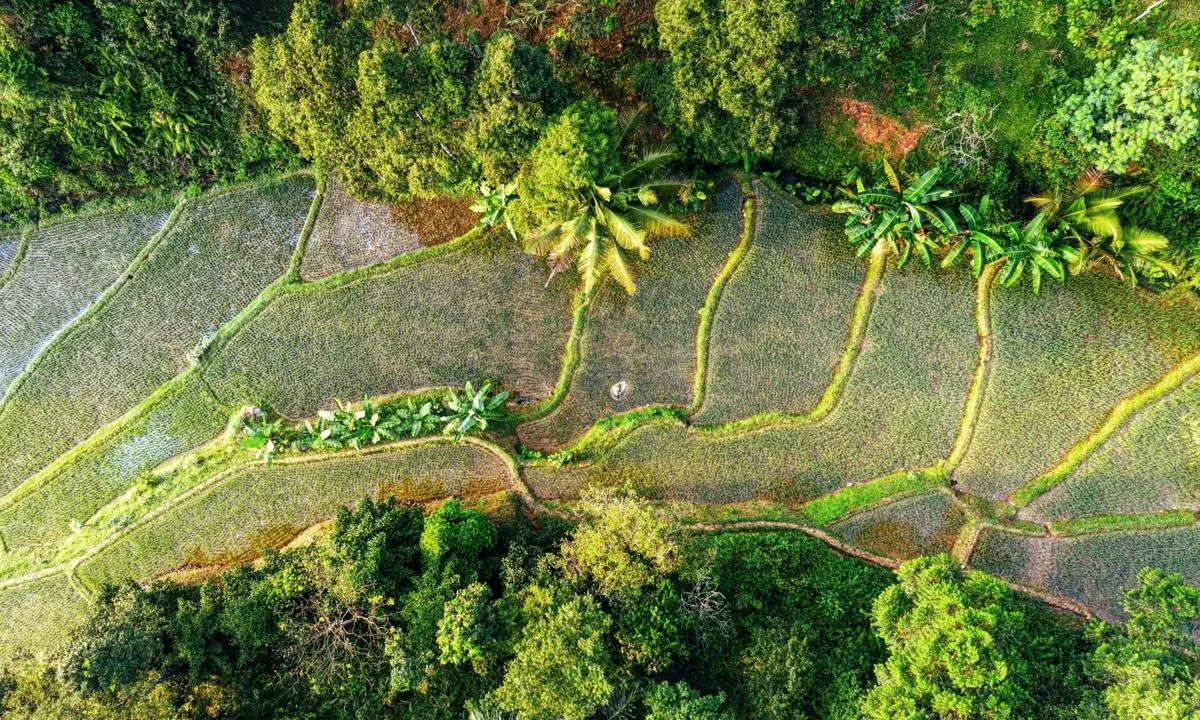
Homegardens are the second example FAO gives. They pack trees, shrubs and food crops into the land around a house, and when animals are kept there they become agrosilvopastoral.
Two more practices fit this family, and both are especially relevant in Africa:
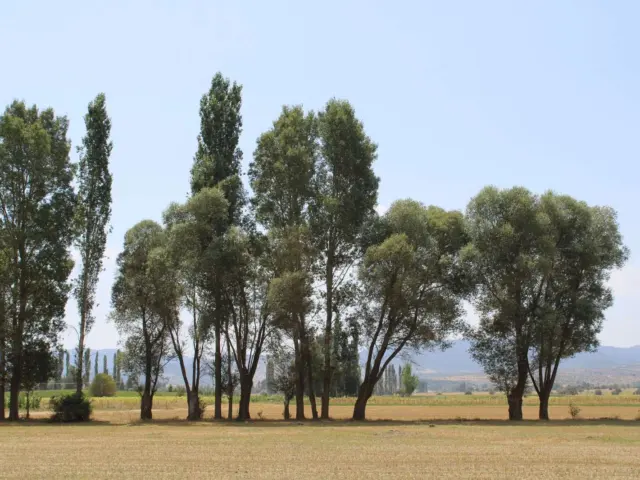
- Parklands, where scattered trees stand in cultivated fields.
- Improved fallows, where trees restore soil between crop seasons.
Parklands and improved fallows in Africa
In the Sahel, farmers have long kept useful trees standing in their fields. One well-known parkland species is faidherbia albida, and FAO’s review of parklands records how its numbers have been raised.
After the 1981-1985 Gao Project in Dosso, Niger, densities in fields rose from 4.9 trees/ha in 1981 to 29 trees/ha in 1992, according to the FAO chapter. In Dori, Burkina Faso, 90 percent of all dominant parkland trees were regenerated naturally rather than planted.
That fits a wider shift. The same chapter notes increased interest in protecting and stimulating natural regeneration where mother trees are available, because tree-planting projects gave variable results and cost a lot.
Improved fallows work differently. Economically useful and fertility-improving trees are planted before cropping is discontinued, which FAO’s chapter calls a promising alternative to long natural fallows. This matters because, in areas of high population pressure, fallows are increasingly being abandoned or reduced in length.
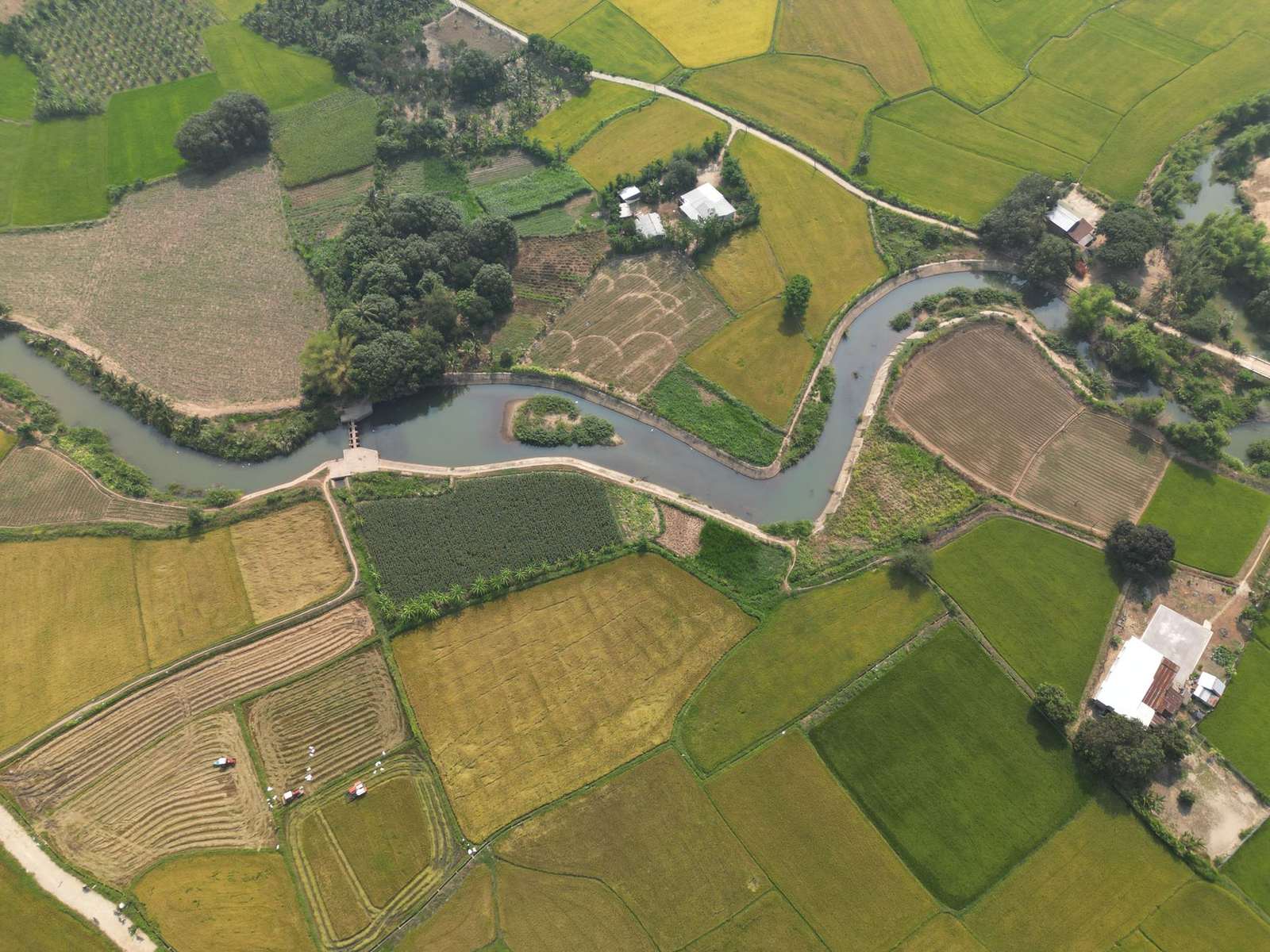
Silvopastoral and agrosilvopastoral systems
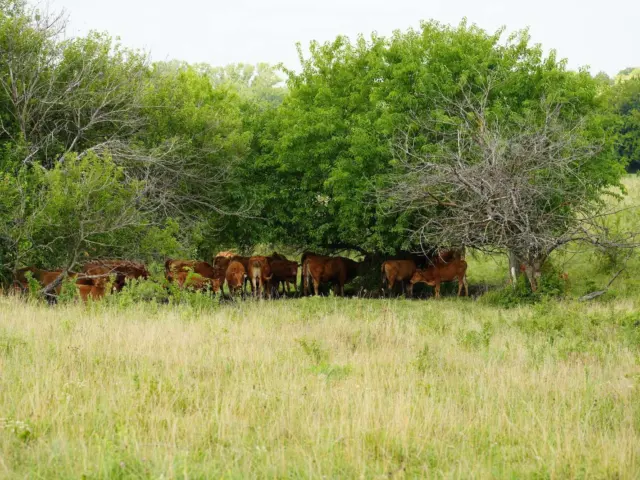
A silvopastoral system combines trees with grazing animals. Cornell’s definition of silvopasture is the deliberate integration of trees and grazing livestock operations on the same land.
The trees give shade and fodder, and the animals keep the grass in check. In African drylands this includes managed rangelands with scattered trees, where livestock browse pods and leaves in the dry season.
When crops, trees and animals all share the land, the system is agrosilvopastoral. A homegarden with chickens or goats is the usual example.
Boundary and protection practices: windbreaks, buffers and forest farming
Cornell’s list of six temperate practices adds several that are often described as protective or specialised. The full list is windbreaks, riparian forest buffers, alley cropping, silvopasture, forest farming and urban agroforestry.
- Windbreaks: linear plantings of trees and shrubs. The primary purpose of most is to slow the wind, which creates better conditions for soils, crops, livestock, wildlife and people.
- Riparian forest buffers: an area adjacent to a stream, lake or wetland with trees, shrubs and/or other perennial plants, managed mainly for conservation benefits.
- Forest farming: the cultivation of high-value crops under the protection of a managed tree canopy.
- Urban agroforestry: trees and food production in and around towns, in many forms.
These labels come from temperate-region guidance. The ideas still carry over: shelterbelts protect fields in windy drylands, and tree strips along streams protect water.
How the types overlap in practice
Real farms rarely match one label. A Sahelian field might hold scattered parkland trees, a hedge along one edge and goats grazing the stubble after harvest, so it mixes all three FAO types.
That is why the classification is best read as a toolkit. You can combine practices on one holding, and the choice often changes as trees grow, as rainfall shifts, or as a household’s needs change.
The names also differ between regions. What temperate guides call a windbreak may be called a shelterbelt or a hedgerow elsewhere, and a farmer-managed natural regeneration plot may never have been given a formal name at all.
When you read a project report or a donor document, check which scheme the author is using. Some count practices, some count components, and some count both, so two documents can describe the same field with different totals.
Choosing between the types
The right system depends on what you need most. Ask three questions before you pick a practice:
- Is the main problem soil fertility, feed for animals, shelter, or water protection?
- Do you already have trees on the land that you can protect, instead of planting new ones?
- Can you wait for the trees to pay back, or do you need a quick return from crops or fodder?
Protecting trees that are already there is worth considering, because FAO notes tree-planting projects have given variable results and cost a lot, while in Dori, Burkina Faso, 90 percent of dominant parkland trees regenerated naturally. Local extension staff and farmer groups know which species suit your rainfall and soil.
Start small and watch what happens. A single row of trees along a boundary, or a few protected seedlings in a field, tells you more about competition for water and light than any table can.
Keep notes on crop yields near the trees and away from them, and on how much fodder, fuel or fruit the trees give. After a few seasons you will see whether to widen the spacing, prune harder, or add another practice from the list above.
Frequently asked questions
What are the three main types of agroforestry systems?
Show answer
FAO names agrisilvicultural (trees and crops), silvopastoral (trees and grazing animals) and agrosilvopastoral (trees, animals and crops).
Is alley cropping the same as intercropping?
Show answer
Not quite. Alley cropping uses defined rows of trees and/or shrubs with crops grown in the alleys between them.
Where do parklands fit?
Show answer
Parklands are fields with scattered trees, so they belong with the tree-and-crop systems. Faidherbia albida parklands in the Sahel are a well-known example.
What is an improved fallow?
Show answer
It is a fallow where useful, fertility-improving trees are planted before cropping stops. FAO’s chapter calls it a promising alternative to long natural fallows.