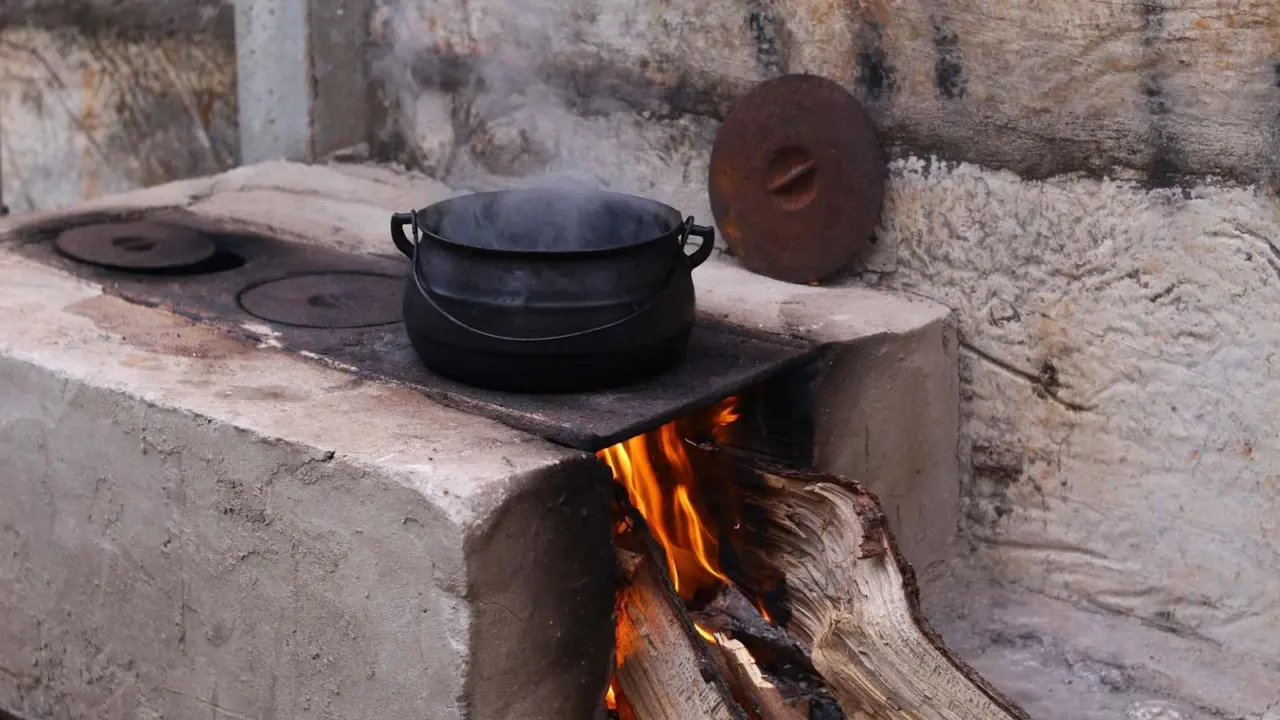
If you cook on wood or charcoal and want a way out, the main fuelwood and charcoal alternatives are LPG, electricity, biogas, bioethanol and advanced biomass stoves. Which one fits depends on your income, your grid and your fuel supply.
| Item | Value |
|---|---|
| Sub-Saharan households cooking with wood, charcoal or dung | About four in five |
| People in the region without clean cooking | One billion |
| People who could gain access each year to 2040 (IEA estimate) | 80 million people per year |
| Share of energy for newly connected households expected from LPG | 60% |
| Investment needed to 2040 | $37 billion |
| Premature deaths linked to Africa’s polluting cooking | Around 815,000 |
These figures come from a Health Policy Watch report on the IEA clean cooking roadmap. They can change, so check the source before you rely on them.
This guide compares the options in plain terms. It sits within wider natural resource management in africa, where cooking fuel is one of the biggest pressures on trees.
Why look for fuelwood and charcoal alternatives?
Cooking fuel is a daily cost in money, time and health. According to the Health Policy Watch report on the IEA roadmap, around four in five households in sub-Saharan Africa still cook with polluting fuels like wood, charcoal or dung, often over open fires or basic stoves.
The same report says the population without access to clean cooking in this region stands at one billion. It also cites an IEA estimate of around 815,000 premature deaths for Africa.
Fuel gathering and charcoal making also take pressure off forests only when they are managed well. The wider picture is covered in our piece on deforestation in africa.
The main alternatives compared
No single fuel suits every household. The roadmap described by Health Policy Watch envisions that 60% of the energy for newly connected households will come from liquefied petroleum gas (LPG). The rest would come from electricity, bioethanol, biogas and advanced biomass cookstoves.
- LPG: bottled gas that is clean and quick. It needs a cylinder, a refill network and steady cash for refills.
- Electric cooking: suits households on a reliable grid or mini-grid. Efficient appliances such as pressure cookers and induction plates use little power.
- Biogas: a digester turns animal dung and farm waste into gas. It suits households that keep cattle or pigs and have water nearby.
- Bioethanol: a liquid fuel burned in a dedicated stove. It depends on local fuel supply chains.
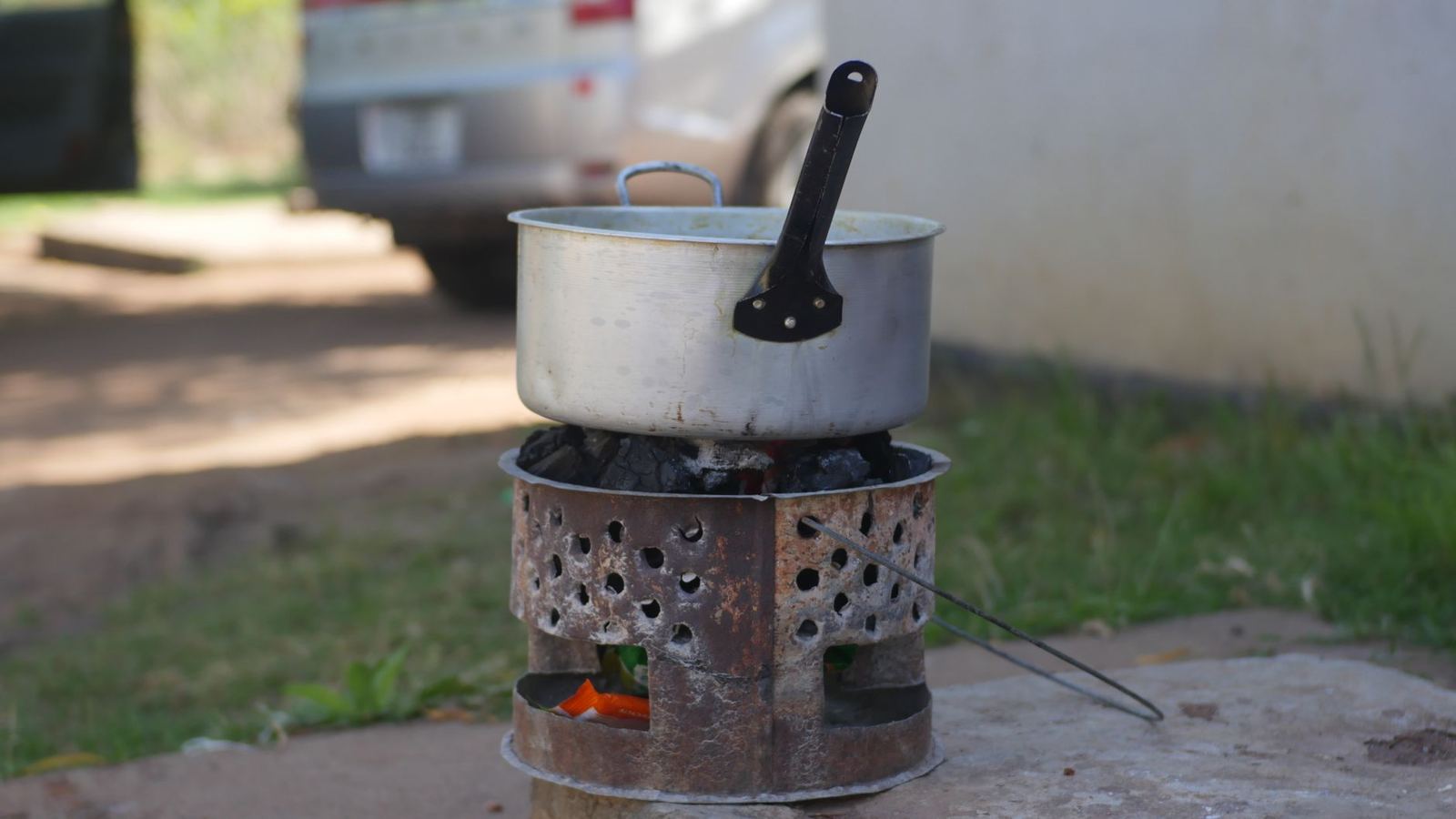
- Advanced biomass stoves: gasifier and pellet stoves burn wood or crop residue far more cleanly than an open fire.
Advanced biomass stoves keep using biomass, so they do not remove the need for wood. They are often a first step where gas or power is out of reach.
How to choose for your situation
Start with what is reliably available near you, then check running costs, not just the purchase price. A cheap stove that needs fuel you cannot buy locally will end up unused.
- Check whether a refill point for LPG, ethanol or pellets is within easy reach.
- Check whether your electricity supply is steady enough for cooking.
- Count the livestock or farm waste you have, which decides whether biogas is realistic.
- Work out how much you now spend on wood or charcoal each month.
- Consider keeping a second stove, since many households use more than one fuel.
Many families mix fuels rather than switching fully. A household that cooks mainly on gas but keeps a clean-burning stove for large meals can still cut its wood use sharply.
What stands in the way
Scaling up is a funding task too: the IEA roadmap reported by Health Policy Watch calls for $37 billion in cumulative investment to 2040.
It estimates that 80 million people could gain access every year until 2040, a sevenfold increase compared to the pace at the time of the report. The report also estimates 460,000 jobs created by 2040.
The same report notes that a summit on clean cooking in Africa, held in May 2024 in Paris, mobilised over $2.2 billion in public and private commitments. It says more than $470 million of these had been disbursed.
Practical tips for a smooth switch
A new stove works only if it fits how you cook. Try it on your usual dishes before you give up the old one, and ask the seller how to light, clean and repair it.
- Ask about fuel supply: find out where refills come from and what happens when stock runs out.
- Pay in steps if you can: some suppliers allow small refills or instalments, which spreads the cost.
- Cook safely: keep gas cylinders upright, in the open air or a ventilated space, and away from children.
- Cut waste: lids, pre-soaked beans and cutting food small all reduce cooking time on any fuel.
Cooking in a shared kitchen or for a small business changes the maths. Larger pots and long cooking times favour a bigger stove, a bulk fuel supply or a biogas plant fed by farm waste.
Women and children usually carry the burden of fetching wood and breathing smoke, so their views should lead the choice. Time saved from gathering fuel can go to school, farming or income work.
Linking cooking fuel to landscapes
Fuel choice shapes the land. Where households switch away from charcoal, fewer trees are cut for burning, and slopes and catchments are easier to protect. See watershed management for how tree cover supports water supplies.
Where wood will remain in use for some time, growing it on the farm in woodlots or hedgerows eases pressure on natural forest. Pairing that with efficient stoves stretches each tree further.
Choose fast-growing species that coppice, meaning they regrow from the cut stump, so one planting gives several harvests. Plant them where they also give shade, fodder or windbreak value.
Community groups can share the work of managing a woodlot, agree harvest rules and keep a record of what is cut. Clear rules make it far more likely that the trees last.
For charcoal makers, more efficient kilns and the use of crop residues or sawdust briquettes can lower the wood needed per sack. These steps do not remove the pressure on forests, but they ease it while cleaner fuels spread.
Frequently asked questions
What is the cheapest alternative to charcoal?
Show answer
It depends on local prices. Improved biomass stoves usually cost least upfront, while LPG or electricity may cost less per meal over time. Compare your monthly spend before choosing.
Is LPG a clean fuel?
Show answer
LPG burns far more cleanly than wood or charcoal at the point of cooking. The IEA roadmap, as reported by Health Policy Watch, expects it to supply 60% of the energy for newly connected households.
Can I use biogas without cattle?
Show answer
Biogas needs a steady supply of dung or similar farm waste. Without livestock, other options such as LPG, electric or ethanol cooking are usually more practical.
Do improved stoves solve the problem?
Show answer
They still burn biomass. They help most as a step toward cleaner fuels or where other fuels are unavailable.