Tired soil and no money for fertilizer? An improved fallow rests your field under fast-growing, nitrogen-fixing trees, then returns the nutrients to your crop. Research in Zambia reports maize yields doubling or better.
This guide is part of our series on what is agroforestry.
| Item | Key fact |
|---|---|
| Typical fallow length (Sesbania sesban, eastern Zambia) | 2 to 3 years |
| Field condition it targets | Nitrogen-depleted fields |
| Reported effect on maize | Doubling or even quadrupling of yields |
| What the shrubs add | Fixed nitrogen and organic matter |
| Best-suited farms | Relatively large farms where labour is the tighter constraint |
Figures come from an abstract on improved fallows in eastern Zambia and a World Agroforestry Centre extension manual for Kenya. They can change as new research appears, so check the sources before you rely on them.
What an improved fallow is
A traditional fallow simply leaves land alone so that bush regrows and the soil slowly recovers. An improved fallow speeds this up by sowing or planting selected shrubs or trees on purpose.
According to the Kenya extension manual, when land is fallowed to restore fertility after cultivation, shrubs can be sown to speed up the process. The manual says these shrubs can fix nitrogen and add organic matter to the soil.
The idea is simple. Instead of buying nitrogen in a bag, you grow it in leaves and twigs, then let it rot into the ground where your next crop can reach it.
How the system works, step by step
The best-documented example is from eastern Zambia. Researchers and national agricultural partners developed what they called a promising agroforestry alternative to traditional fallows, and the core of it is planting Sesbania sesban as improved tree fallows in nitrogen-depleted fields.
- Choose a field whose yields have fallen because the soil has lost nitrogen.
- Plant a fast-growing, nitrogen-fixing species. In the Zambian work this was Sesbania sesban.
- Leave the trees to grow for the fallow period, which the Zambian abstract gives as 2 to 3 years.
- Cut the trees and work leaves and twigs into the soil before planting your crop.
- Keep some shrubs aside. The Kenya manual notes that when land returns to cultivation, some shrubs can be left to supply propagation material for the next fallow period.
That last step matters because the gain does not last for ever. Planning your next fallow seed supply early saves you a scramble later.
What results can you expect?
The Zambian abstract states the headline result plainly: a doubling or even a quadrupling of maize yields. That range is wide, and it came from research conditions in one region, so treat it as a sign of potential rather than a promise for your plot.
The same abstract adds a useful warning. Its results suggest that tree species differ greatly in their effects on soil organic matter pools and nitrogen availability to subsequent maize crops. In other words, the tree you pick changes what your maize receives.
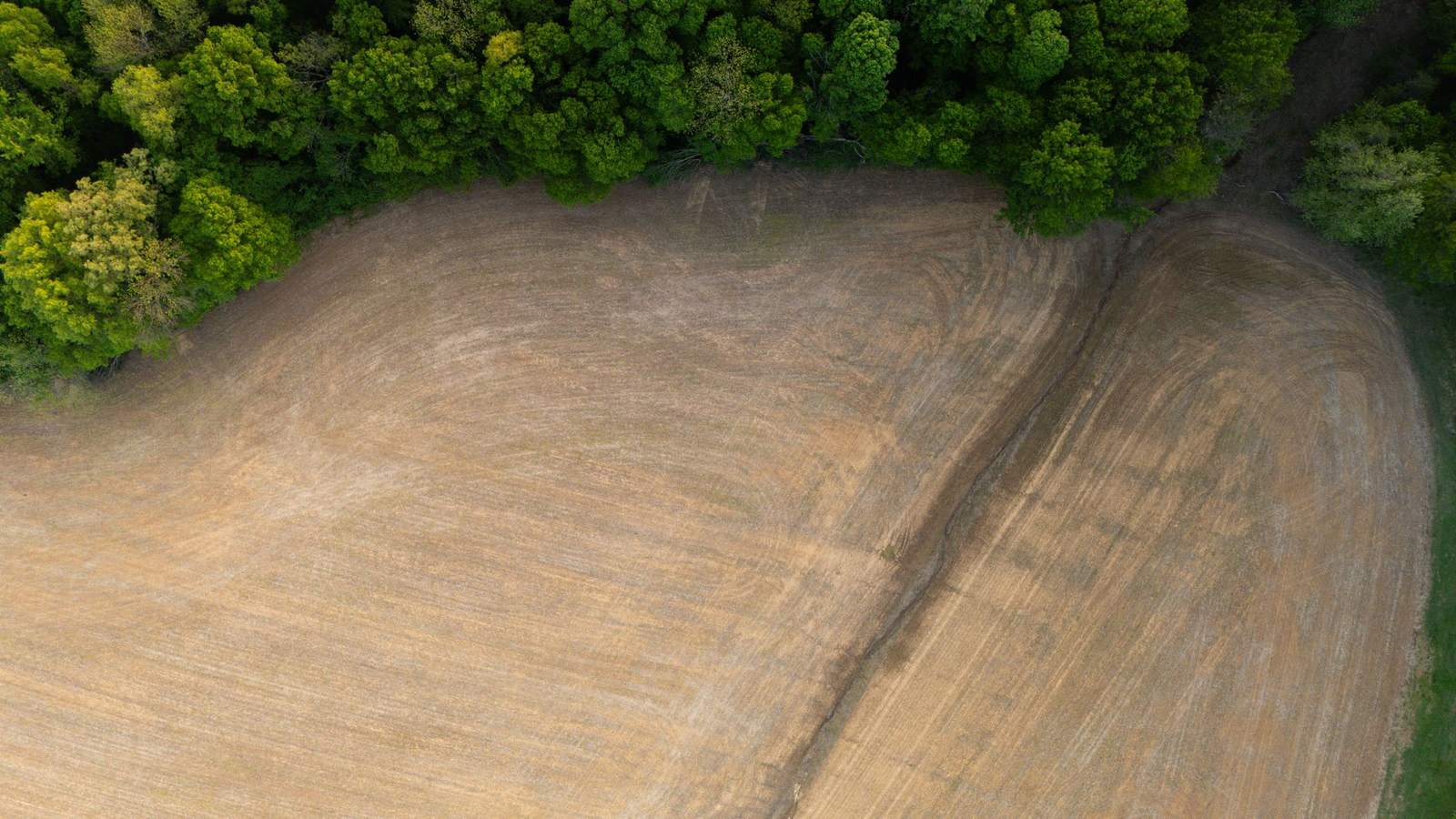
Better soil nitrogen is only one benefit. Organic matter also helps soil hold water and structure, which is covered in our piece on agroforestry benefits for soil.
Is an improved fallow right for your farm?
The Kenya manual is candid about where this practice fits. It says improving fallows is relevant where farms are relatively large, and where labour is more of a constraint than size of farm holding.
It also notes that fallowing is not common in Kenya now due to population pressure. It still occurs in western Kenya, mainly in the Lake Victoria basin, and in semi-arid areas.
Ask yourself these questions before you commit land:
- Can you spare the field? A fallow means the plot is not producing a main crop for the fallow period.
- Is nitrogen your limit? The method targets nitrogen-depleted soil, not every kind of poor field.
- Do you have a source of seed or seedlings? Plan this before you plant.
- Can you protect young trees? Browsing animals and fire can ruin a young stand.
If land is scarce, a system that keeps crops and trees growing together may suit you better than a rest period. Trees planted along field edges can also serve other purposes, as we describe in windbreaks and shelterbelts.
Improved fallow compared with a natural fallow
A natural fallow asks nothing of you except patience. An improved fallow asks for a little work at the start, in return for a more deliberate recovery of the soil.
- Planting effort: a natural fallow needs none, while an improved fallow means sourcing seed or seedlings and getting them established.
- Soil gain: the improved version relies on shrubs that fix nitrogen and add organic matter, so the benefit is aimed at the nutrient your crop needs most.
- Predictability: you choose the species, so you are not leaving the outcome to whatever seeds blow in.
- Next cycle: you can keep a few shrubs to supply propagation material for the next fallow period.
The trade-off is the same for both: the field is out of main production while the soil recovers. Weigh that honestly against what a poor harvest is already costing you.
Choosing species and avoiding common mistakes
Sesbania sesban is the species named in the Zambian work. Other shrubs can be used, but this article only reports what the two sources above state, so ask a local extension officer which species do well in your rainfall and soil.
Some practical habits help whichever species you use:
- Match the species to your land and to local advice rather than copying another region.
- Do not wait for yields to collapse completely before you start a fallow.
- Save propagation material so the next cycle is ready.
- Record your maize yield before and after, so you can see whether the fallow paid off.
Talk to neighbours who have tried a fallow, and visit their fields if you can. Seeing the regrowth, the cutting and the following crop teaches more than any leaflet, and it shows you the real labour involved at each stage.
Remember too that the Zambian abstract suggests tree species differ greatly in their effects on soil organic matter pools and nitrogen availability to later maize crops, so the species you choose matters.
An improved fallow is a cycle, not a one-off fix. Each round rebuilds nitrogen and organic matter, and you decide how long to cultivate before resting the field again.
Frequently asked questions
What is an improved fallow?
Show answer
It is a rest period for farmland in which useful nitrogen-fixing shrubs or trees are sown, rather than leaving natural bush to regrow. The shrubs add nitrogen and organic matter to the soil.
How long does an improved fallow last?
Show answer
The eastern Zambian work describes Sesbania sesban fallows of 2 to 3 years in nitrogen-depleted fields.
Will my maize yield really double?
Show answer
The Zambian abstract reports a doubling or even a quadrupling of maize yields. Results depend on species, soil and management, so your own field may differ.
Is it suitable for small farms?
Show answer
The Kenya manual says the practice suits relatively large farms where labour is more of a constraint than land. Where land is very short, resting a field may be hard to afford.