Tired of buying fertiliser your soil swallows? Nitrogen fixing trees pull nitrogen from the air into their leaves, and you return it to the soil. Pick the right species, prune well, and give them time.
This guide sits under our overview of what is agroforestry, and looks at the legume trees that feed crops.
| Item | Value |
|---|---|
| Nitrogen-fixing trees, how they work | Capture nitrogen from the air and put it into their leaves |
| Faidherbia albida leaf drop | Rainy season, when crops start to grow |
| Fertiliser removed by a 3,5t/ha maize crop | 275 kg/ha |
| Gliricidia payoff in one Malawi farm story | Yields improved after a couple of years |
| Possible maize gain from agroforestry plus conservation farming | Double or triple in many areas (a suspicion, not a guarantee) |
Figures come from NBC News and Farmer’s Weekly. They can change, so check the sources before you rely on them.
How nitrogen fixing trees feed a farm
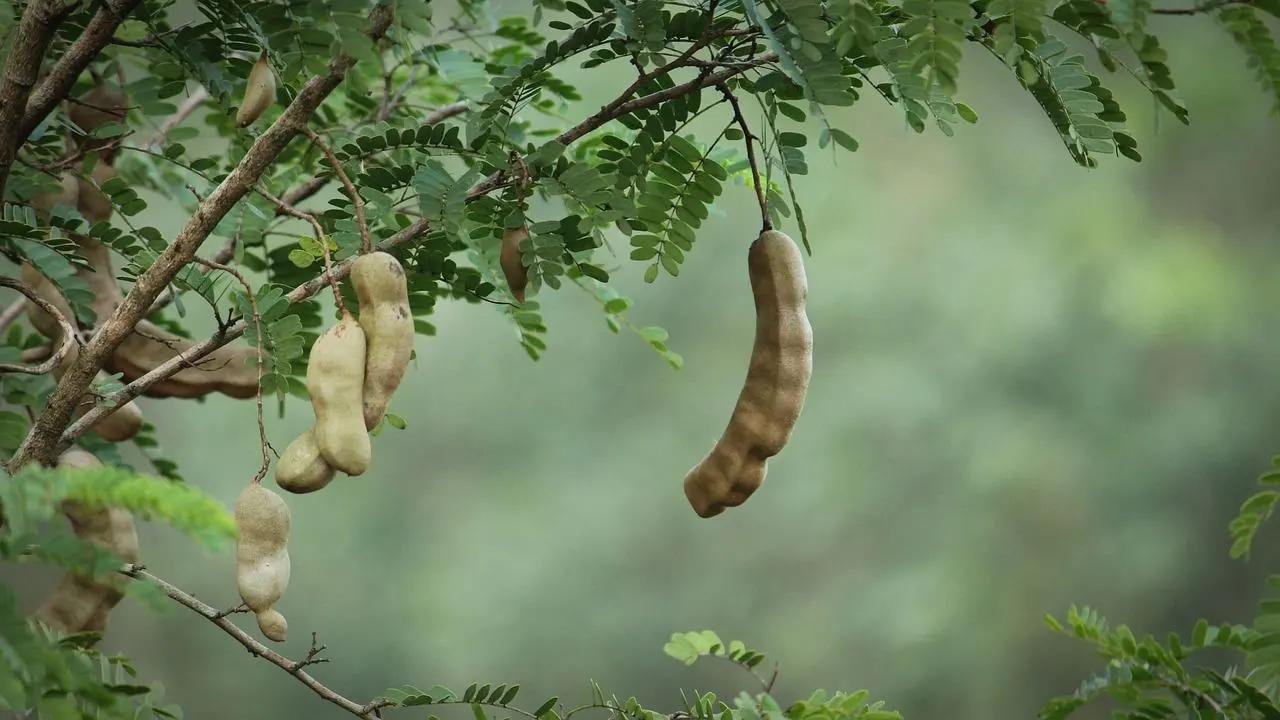
Nitrogen is one of the most limiting nutrients for African food production, and bought fertiliser can be prohibitively expensive for subsistence farmers. Faidherbia is one of several trees that can capture nitrogen from the air through its roots and incorporate it into its leaves, according to NBC News.
The nitrogen reaches your crop when leaves, prunings or fallen litter break down in the soil. The tree does the slow work of collecting; you simply move or leave the leaf material where crops can use it.
The need is real. Farmer’s Weekly notes that a 3,5t/ha maize crop removes 275kg/ha fertiliser from the soil, so without replacement a field is mined year after year.
Faidherbia albida: the tree that sheds leaves at the right time
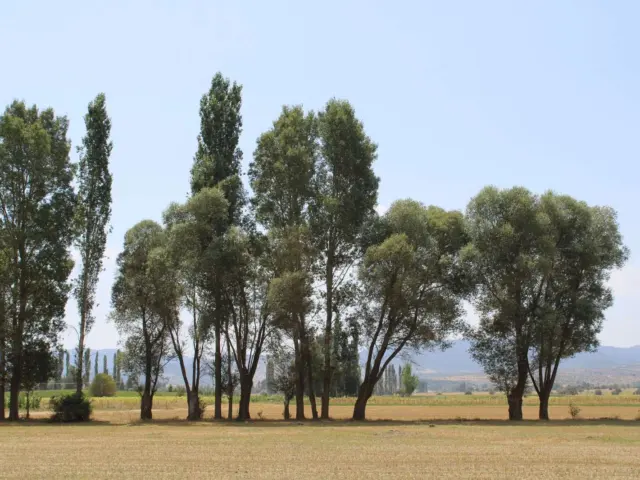
Faidherbia is a close cousin of the acacia, the flat-topped tree of the African savannah. What makes it unusual is that it grows in the dry season and drops its leaves come the rainy season, when crops start to grow.
That timing means the tree does not shade or compete hard with your maize or sorghum while the crop is in the field. As one researcher put it, the trees turn “absolutely skeletal” in the wet season so they do not compete for sunlight, water or nutrients.
Its leaves and nutritious pods also serve as livestock feed in the dry season, when little else is green. If you keep animals, this links naturally with silvopasture, where trees and grazing share the same land.
Farmers in Malawi and Zambia already use Faidherbia as a fertiliser tree to replace soil nutrients and improve maize yields.
Gliricidia and other fertiliser shrubs
Not every site suits Faidherbia, which is slow to establish. Gliricidia is a common alternative planted between crop rows, and you cut it back so the leaves fall on the soil.
Farmer’s Weekly tells the story of Malawian smallholder Mariko Majoni, who calls such trees “a fertiliser factory in the fields”. He returned home with some Gliricidia seeds and planted them between rows of maize.
At first his yields stayed stubbornly low, but after a couple of years they improved. When he stopped using fertiliser, he said, “I only got six to nine bags.”
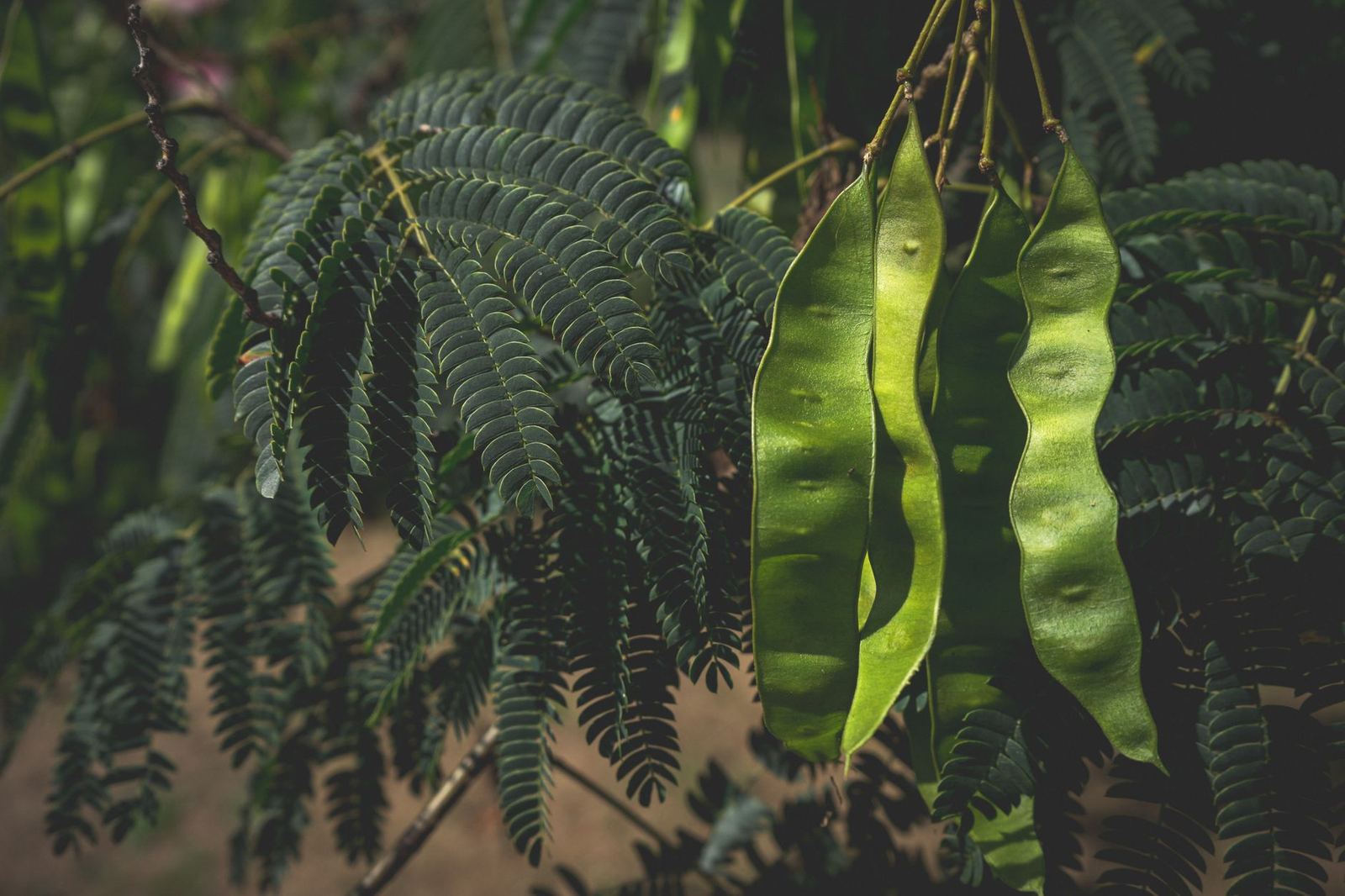
Getting started on your own land
A simple plan helps you avoid the usual mistakes. Work through these steps:
- Match species to your rainfall, soil and purpose (fodder, fuel, soil feeding).
- Plant a small trial block before committing the whole field.
- Prune on a schedule so that leaves feed the soil and do not shade the crop.
- Keep records of yields beside a comparison plot without trees.
- Be patient: the Malawi example above shows benefits can take a couple of years.
Trees feed more than the crop. For the wider picture of structure, organic matter and water, see our piece on agroforestry benefits for soil.
Managing trees so they help rather than compete
A fertiliser tree only pays when it is managed. Faidherbia is described as not competing for sunlight, water or nutrients in the wet season, but other trees may compete with the crop beside them, so your pruning and spacing matter.
Think about three things before you plant: where the leaf material will go, who will cut it, and when. A tree that nobody has time to prune is a weed with roots.
- Timing: Faidherbia drops its leaves in the rainy season, when crops start to grow, so plan your cutting and leaf placement around that rhythm.
- Placement: spread the leaves thinly over the soil or work them in lightly, rather than piling them in one spot.
- Spacing: keep trees at the field edge or in rows wide enough for light to reach the crop.
- Protection: shield young seedlings from browsing goats and cattle until they are established.
Local knowledge matters here. Neighbours who already grow these trees can tell you which species survive your dry season and which ones the animals eat first.
Why trees and fertiliser can work together
Trees are not necessarily a replacement for every bag of fertiliser. Many farmers treat them as a base layer of fertility, topping up only where a soil test or crop colour shows a gap.
The Farmer’s Weekly story shows why the idea appeals. Mariko Majoni planted Gliricidia between his rows of maize, and after a couple of years his yields improved. Trees on his own land offer a source of nitrogen that does not need cash each season.
That cost pattern is the main attraction. Seed or seedlings are a single outlay at planting, while mineral fertiliser must be bought again each season. Your own labour for pruning replaces much of that cash cost, so plan the work calendar early.
Keep your expectations honest. Trees supply mainly nitrogen, so soils short of other nutrients may still need manure, compost or other inputs. A small comparison plot lets you see for yourself what the trees add.
What results to expect, and what to watch
Scientists quoted by Farmer’s Weekly suspect that combining agroforestry with conservation farming could double or triple smallholder maize yields in many areas, without more labour or nitrogen fertiliser. That is a suspicion to be tested in different environments, not a promise for your plot.
The same article says conservation farming is already practised on some 100 million hectares worldwide, so the pairing builds on methods many farmers know.
- Results vary with site, rainfall, tree density and pruning.
- Trees can compete with crops if they are left unpruned.
- Expect a lag before yields rise.
- Ask local extension staff which species are proven nearby.
Frequently asked questions
What are nitrogen fixing trees?
Show answer
They are trees that capture nitrogen from the air and incorporate it into their leaves, which later enrich the soil.
Do I still need fertiliser?
Show answer
Possibly. The researchers quoted talk of cutting the need for nitrogen fertiliser, but results depend on your site, so test on a small plot first.
Why is Faidherbia good beside crops?
Show answer
It drops its leaves in the rainy season, when crops start to grow, so it competes less for light, water and nutrients.
How long until I see a benefit?
Show answer
In the Malawi Gliricidia story, yields stayed low at first and improved after a couple of years.