If your rains arrive in short, heavy bursts and then stop, rainwater harvesting for farming can keep more of that water in your fields. Start with simple in-field pits, basins or ridges, then add storage if you need it.
| Item | Value |
|---|---|
| Rainy seasons with intra-seasonal dry spells (semi-arid regions) | Virtually 80% |
| Grain yield gain from basins and tied ridges vs conventional ploughing | 43% to 58% |
| Highest sorghum grain yield response (basins, productive soil) | 2100 kg per hectare |
| Rainwater use efficiency, productive fields | 1 kg grain per mm |
| Rainwater use efficiency, degraded fields | 0.4 kg grain per mm |
| Yield gain from intercropping with cowpea | 23% to 42% |
The figures come from a Zimbabwe field study in Frontiers in Agronomy. They can change with soil, season and site, so check the source before you rely on them.
This guide is part of our wider coverage of natural resource management in africa. It is independent and educational, and it is not affiliated with any agency or organisation mentioned.
Why harvest rainwater at all?
Total rainfall is often not the real problem. The trouble is that it falls unevenly, so crops go through dry spells in the middle of the season, just when they need water most.
The Zimbabwe study reports that, in semi-arid regions, such dry spells occur in virtually 80% of rainfall seasons, exposing crops to severe water stress. Catching and holding water where the crop grows is a direct answer to that risk.
Harvesting does not create water. It slows runoff, helps rain soak in, and moves it from wet days to dry ones, either in the soil or in a store.
Main methods for small farms
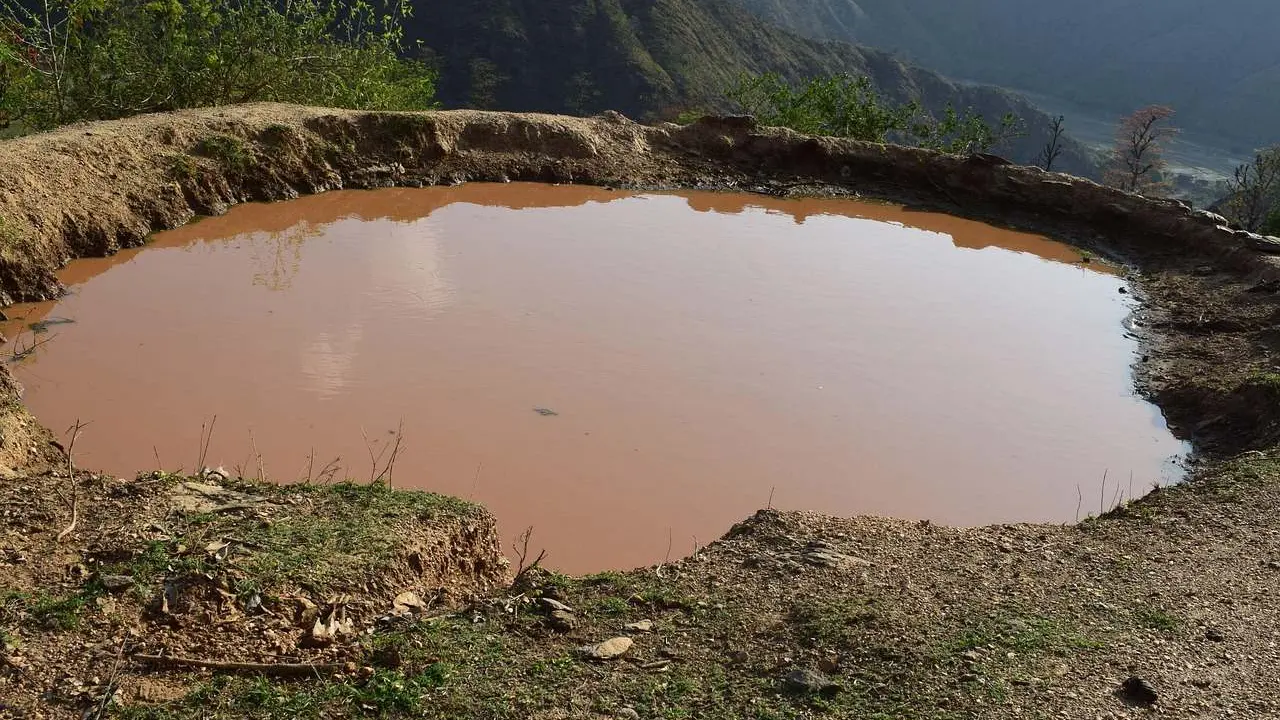
Methods fall into two groups. In-field methods hold rain in the soil where it lands. Storage methods collect runoff in a pond, tank or similar structure for later use.
The study notes that in-field technologies tested across sub-Saharan Africa include these:
- Fanya juu terraces, which build a soil bank along the contour.
- Infiltration pits (chibatamvura in Zimbabwe).
- No-till tied ridges, with cross-ties that stop water running along the furrow.
- Mulch ripping.
- Planting basins, also called zai pits.
The same source says these approaches significantly increased soil water capture, retention, rainwater use efficiency and crop yields in studies from the region.
What the Zimbabwe trial found
The trial compared planting basins, tied ridges and conventional ploughing over the 2020/2021 and 2021/2022 seasons. It grew sorghum, pearl millet and finger millet on degraded and productive fields.
- Basins and tied ridges raised grain yields by 43% to 58% compared with conventional ploughing.
- The best sorghum response was 2100 kg per hectare, under basins on productive soil.
- Rainwater use efficiency averaged 1 kg of grain per mm of rain on productive fields and 0.4 kg on degraded fields.
- Intercropping the cereals with cowpea raised cereal yields by 23% to 42% over sole crops.
The lesson is that water harvesting works best on soil that can use the water. On degraded land, the same rain produced far less grain, so soil fertility and harvesting need to be tackled together.
Choosing a method for your field
Match the method to your slope, soil and labour. A technique that suits one farm can fail on another, and results vary from site to site.
- Walk the field after a heavy shower and note where water runs, pools or cuts channels.
- On gentle slopes, try ridges or basins laid out along the contour.
- On steeper land, use contour banks or terraces, and read about soil erosion control before you dig.
- Trial one method on a small plot beside your usual practice, and compare yields.
- Add manure or compost to basins and pits, since the trial shows fertile soil uses water better.
Start small. A small test plot shows you whether the effort pays off before you commit the whole farm.
Setting up rainwater harvesting for farming step by step
Good layout matters more than digging effort. Poorly placed ridges or pits can overflow in a big storm and gully the field, which leaves you worse off than before.
- Read the land. Mark the contour lines with a simple A-frame or a water-filled tube, so each ridge or row of pits follows the same height across the slope.
- Prepare before the rains. Dig basins or pits in the dry season, when labour is freer, and place manure or compost in them early.
- Plant on the first useful rains. Basins let you plant into a moist, fertilised spot even if the season starts unevenly.
- Add overflow routes. Leave safe spillways at the field edge so extra water leaves without cutting a channel.
- Mulch the soil. Crop residues on the surface reduce evaporation and protect the structure from raindrop damage.
- Repair after storms. Rebuild any ridge that breaks, and clear silt from pits before the next rain.
Many farmers dig basins by hand with a hoe. If you have draught animals or a ripper, ask local extension staff whether mechanised planting lines fit your soil.
Common mistakes to avoid
One risk is treating a structure as a cure for poor soil. Water held in a pit only helps if the crop has nutrients and a good variety to use it.
- Building on steep ground with no contour banks, so water gathers speed and breaks through.
- Leaving ties or ridges unmaintained, so they break down over time.
- Planting too densely, so crops compete for the water you have saved.
- Ignoring waterlogging on heavy clay, where holding more water can drown seedlings.
- Digging the whole farm at once, before testing one plot.
Treat each season as a trial. Note what worked, adjust spacing or ridge height, and keep the methods your own fields support.
Storage, upkeep and shared land
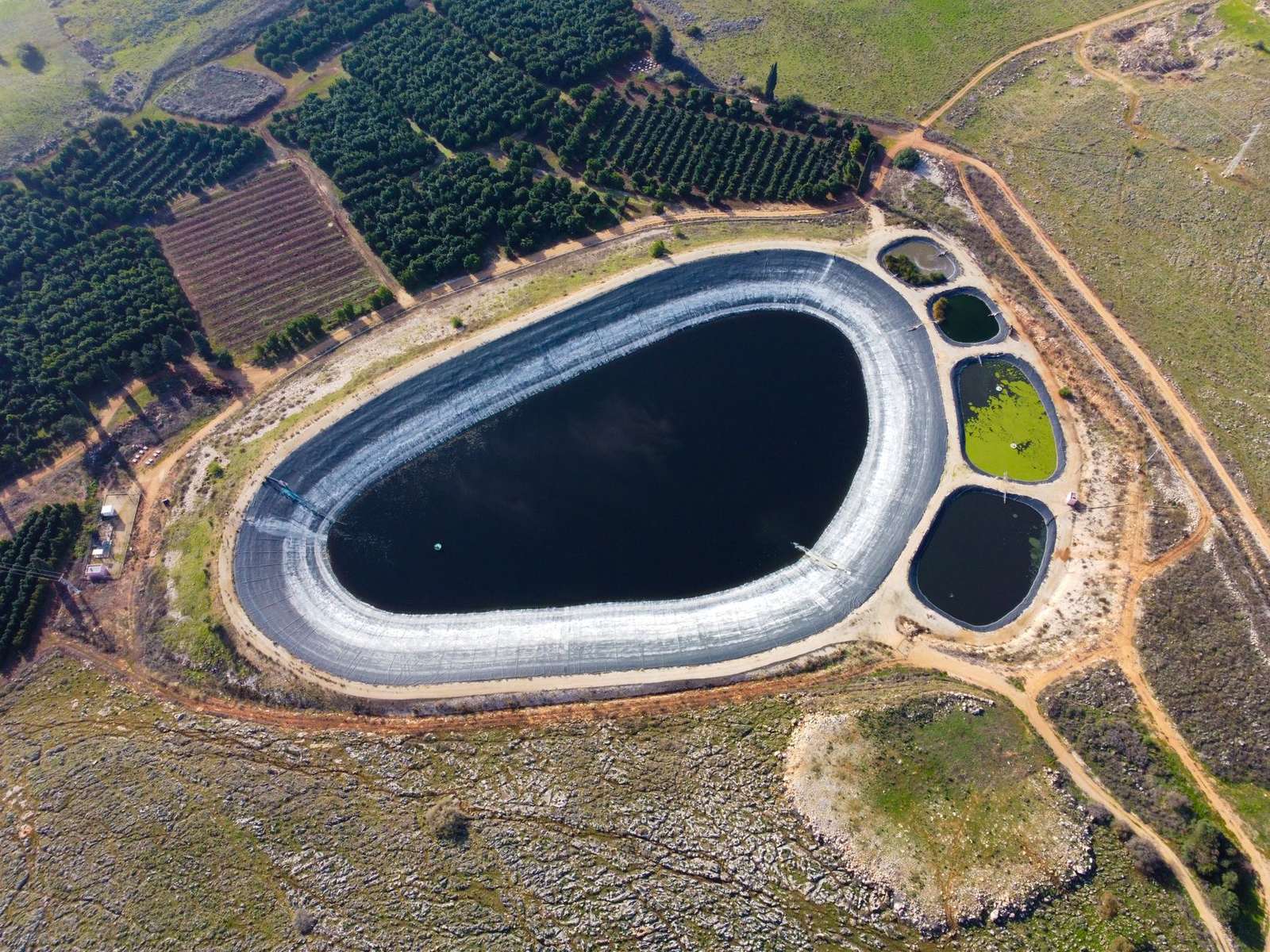
Ponds and tanks add flexibility, since stored water can bridge a dry spell with supplementary irrigation. They also need sound siting, a silt trap, and protection for people and animals.
Structures need upkeep after each season, so plan for repair. Catchments that cross several farms or common land work better when neighbours agree on who maintains what; see community forest management for how shared rules for local resources can be organised.
Keep records of rainfall, planting dates and yields in each plot. They let you judge which method is paying off.
Frequently asked questions
What is rainwater harvesting for farming?
Show answer
It means capturing and holding rain, in the soil or in storage, so crops can use it during dry periods.
Are zai pits the same as planting basins?
Show answer
Yes. The Zimbabwe study lists planting basins and describes them as zai pits.
Does it work on poor soil?
Show answer
It helps, but less. In the trial, rainwater use efficiency was 0.4 kg of grain per mm on degraded fields against 1 kg on productive ones.
Can I combine it with intercropping?
Show answer
Yes. The trial paired its cereals with cowpea, and the intercrops out-yielded sole crops.