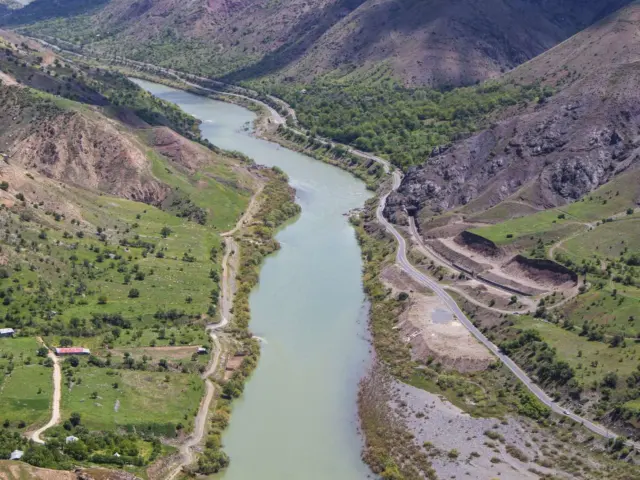
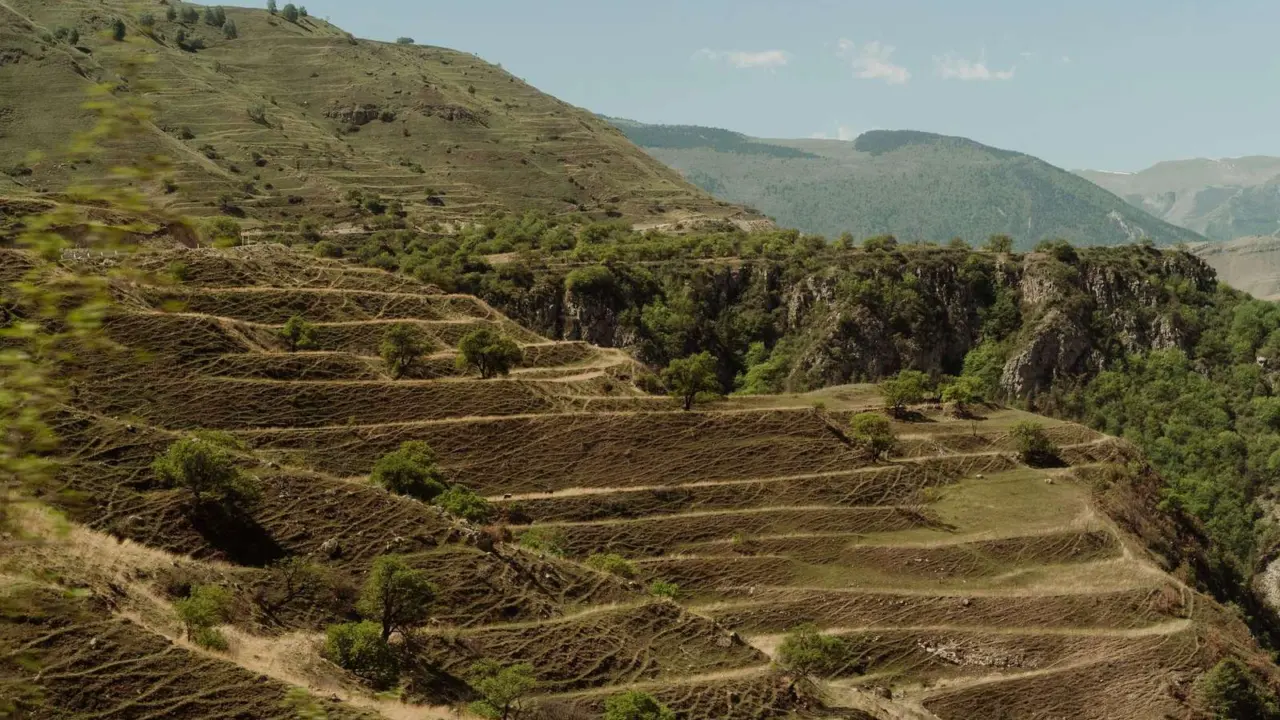
Watching rain wash your best topsoil downhill is painful. Effective soil erosion control means slowing runoff with contour barriers, keeping the ground covered, and adding organic matter, matched to your slope.
This guide sits within our wider coverage of natural resource management in africa.
| Item | Value |
|---|---|
| Runoff control with stone-bund barriers alone | Up to 59% (under water-limiting conditions) |
| Runoff control with barriers plus organic matter | Up to 84% (under water-limiting conditions) |
| Stone lines suit | Low slopes, high runoff and hand labour |
| Meaning of “fanya juu” | “Throw the soil up” (Kiswahili) |
| Stone bunds in sub-Saharan West Africa | Most widely practised erosion technique among farmers |
These figures come from Farming First and IIED. They can change as new trials appear, so check the sources before you rely on them.
Why erosion hits African farms so hard
Erosion removes the thin, fertile top layer first. That layer holds most of the nutrients and organic matter your crops use, so losing it quietly lowers yields year after year.
Heavy, short rainstorms, bare soil at planting time, and cultivation up and down the slope all speed the loss. Gullies are the visible end of the problem, but sheet erosion across a whole field often does more damage before anyone notices.
The good news is that most control methods rely on simple principles you can apply with local materials:
- Slow the water so it cannot pick up speed.
- Let it soak in rather than run off.
- Keep the soil covered and held together by roots.
- Feed the soil with organic matter so it resists breaking apart.
Soil erosion control starts with reading your slope and your rain
No single method fits every field. Walk the land after a heavy rain and note where water flows, where it pools, and where silt settles.
Gentle slopes with strong runoff call for different tools than steep hillsides. IIED notes that stone lines are suited to low slopes, high runoff and hand labour, which tells you where they pay off best.
- Mark the contour, meaning the line across the slope at a constant height. A simple water-tube level or A-frame is enough.
- Identify the wettest, most eroded patches first and treat them before the rest.
- Choose a barrier type based on what you have nearby: stone, soil, grass or trees.
- Plan for upkeep, because barriers clog with silt and break during big storms.
Stone bunds and stone lines
Laying stones along the contour is described by Farming First as a well known technique to check runoff and the most widely practised one among farmers in sub-Saharan West Africa. The bunds form a barrier that slows runoff and lets rainwater seep into the soil.
The same Farming First page reports that, under water-limiting conditions, runoff control can reach 59% in plots with barriers alone, and 84% in plots with barriers plus organic matter. That gap shows why you should pair stones with manure or compost rather than treating them as a stand-alone fix.
Stone lines were originally a traditional Sahel technique, improved by careful construction and by aligning them to the contours of the land, according to IIED. Where stone is scarce, a perennial grass (Andropogon guyanus) is sometimes planted to supplement the lines.
Farming First also cautions that the benefit is limited under continuous non-fertilised cereal cropping. Bunds work best when you add nutrients.
Fanya juu terraces and other earth barriers
Where stone is not available, soil itself can form the barrier. Fanya juu, which means “throw the soil up” in Kiswahili, is described by IIED as among the most popular and successful cross-slope barrier measures in Kenya’s small-scale farming sector.
You dig a trench along the contour and throw the soil uphill to form a ridge. Over time, soil moving down the slope builds up behind the ridge, and the design leads to the gradual formation of terraces with a level or slightly forward-sloping bed.
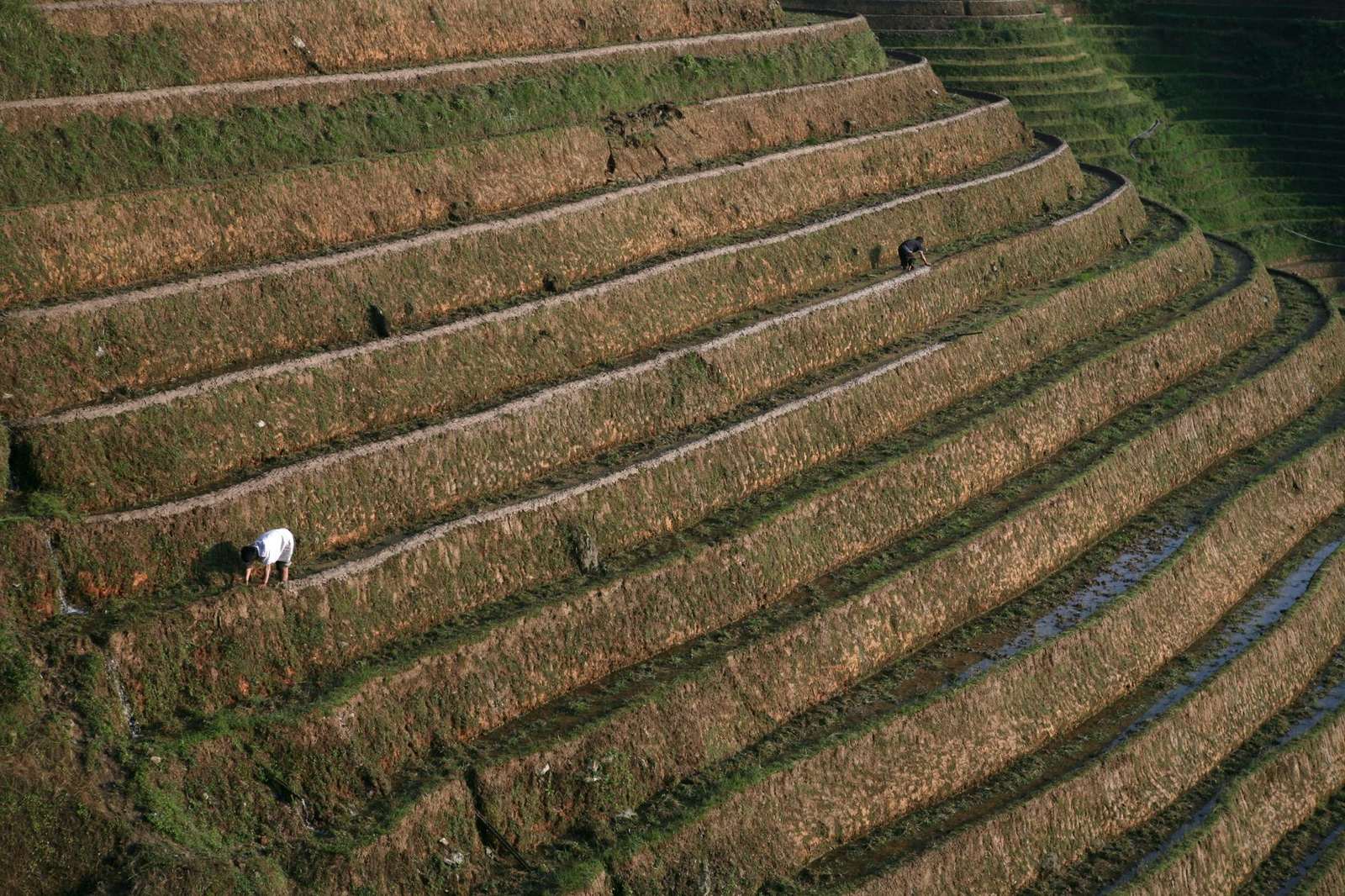
Steeper land generally needs closer spacing and stabilised ridges. Planting fodder grass or legumes along the ridge holds the soil and gives you animal feed in return.
Cover, roots and organic matter
Barriers deal with water flow, but cover protects the soil surface from raindrop impact. Mulch, crop residues, cover crops and intercropping all keep the ground shielded between rows.
Trees and hedgerows planted on the contour add deep roots that bind the soil. They also supply fodder, fuel or fruit, which helps pay for the labour you invest.
- Mulching: leave residues on the surface instead of burning them.
- Cover crops: legumes between seasons protect soil and add nitrogen.
- Compost and manure: better aggregation means less detachment under rain.
- Minimal tillage: fewer passes leave the structure intact.
Our guide to sustainable land management shows how these practices fit into a whole-farm plan.
Working together and keeping the work going
Large contour systems are heavy work, and they perform best when neighbours build them together. A bund that stops at your boundary leaves water free to gather speed on the next plot and break through lower down.
Farming First notes that stone bunds usually need to be implemented by the community, with development projects supporting the technical, material and logistics aspects. Agreeing on who builds, who repairs and when makes the difference between a short-lived effort and a lasting system.
Start small so the work stays manageable and you can learn from it:
- Treat one wet, eroding field first and watch how it behaves in the next rains.
- Use the same spacing logic across neighbouring plots so the lines connect.
- Walk the lines after storms and note where silt has built up or water has cut through.
- Plant grass, legumes or trees on the bunds so they strengthen over time.
Keep notes on what you build and how it performs. Those records help you decide whether to tighten spacing, add organic matter or switch to a different barrier on the next field.
Catching water before it becomes a problem
Erosion control and water management are two sides of the same job. Every litre that soaks in or is stored is a litre that is not carving a gully downstream.
Planting pits, small basins and storage structures turn damaging runoff into a resource for dry spells. Read more in our piece on rainwater harvesting for farming.
Whatever you build, check it after the first big storms of the season. Repair breaches quickly, because a small gap can concentrate flow and undo a whole line of work.
Frequently asked questions
What is the cheapest way to begin controlling erosion?
Show answer
Keep the soil covered with mulch or crop residues and stop ploughing up and down the slope. Neither needs special materials, and both reduce damage while you plan barriers.
Do stone bunds work without fertiliser or compost?
Show answer
They help, but less. Farming First reports that the benefit is limited under continuous non-fertilised cereal cropping, and under water-limiting conditions runoff control can reach up to 59% with barriers alone and up to 84% with barriers plus organic matter.
What does fanya juu mean?
Show answer
It means “throw the soil up” in Kiswahili. You dig a trench along the contour and pile the soil uphill to form a ridge that gradually becomes a terrace.
Which method suits my slope?
Show answer
IIED says stone lines suit low slopes, high runoff and hand labour. For other conditions, local extension advisers can help match a method to your soil and rainfall.