Farming steep hillsides in Rwanda leaves little room for error, and you may wonder where trees fit. Agroforestry in Rwanda answers that by putting trees on farms, terraces and boundaries, not only in forests.
This page is part of our wider guide to agroforestry in africa.
| Item | Value |
|---|---|
| National land restoration goal | 2 million hectares of degraded land |
| Share of restored tree cover planned through agroforestry | 85% |
| National tree cover increase targeted | 30% |
| Productive forest area, 2008/09 to 2013/14 | About 285,000 to about 258,000 hectares |
These figures come from a November 2018 article on Rwanda’s restoration plans. Targets and statistics can change, so check the source before you rely on them.
Why trees have to share the farm in Rwanda
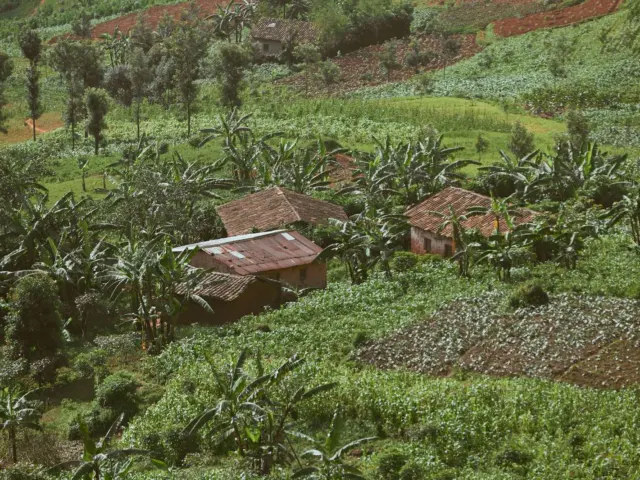
Rwanda is small and crowded, and most of its land is already farmed. That is why the country’s restoration plans lean so heavily on trees integrated into farming systems rather than on new plantations.
According to the November 2018 article, the 2008/09 to 2013/14 figures from the Natural Resources Authority show productive forests shrinking from about 285,000 to around 258,000 hectares through conversion to agroforestry and agriculture. In the same article, agricultural land grew from 1,460,000 to around 1,503,000 hectares.
The lesson for a farmer or planner is plain: there is little spare land, so every tree has to earn its place beside crops.
What the national restoration pledge says
As of the November 2018 article, the Government of Rwanda was setting out to increase national tree cover by 30% and to restore 2 million hectares of degraded land. Those aims support its national vision, the Bonn Challenge and the African Forest Landscape Restoration Initiative commitments.
An FAO-hosted case entry notes that, compared with Rwanda’s total geographic area, the goal represents the highest proportion committed to the Bonn Challenge to date. You can read that entry in the FAO toolbox case on restoration planning in Rwanda.
The November 2018 article adds that, owing to the limited land area, 85% of this restored tree cover will be through integration of more trees into farming systems, that is, agroforestry. The pledge is a plan, and these sources do not tell us how much has been delivered since.
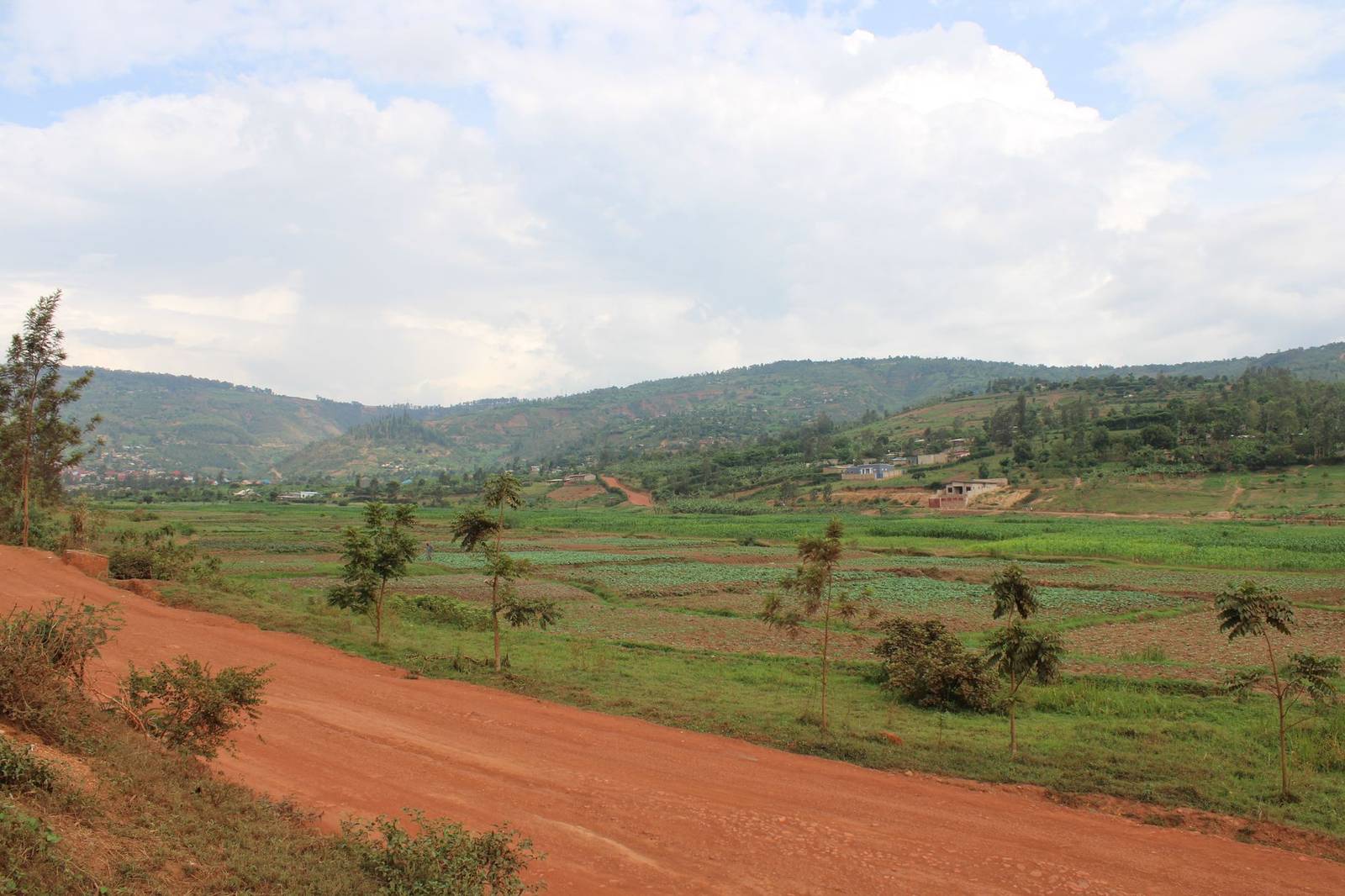
For a reader, the key point is that agroforestry is treated as a core method of national restoration, not a side project.
Because the evidence here is dated, check current government and research-centre pages for progress against the goal before you quote any totals.
How trees and terraces work together
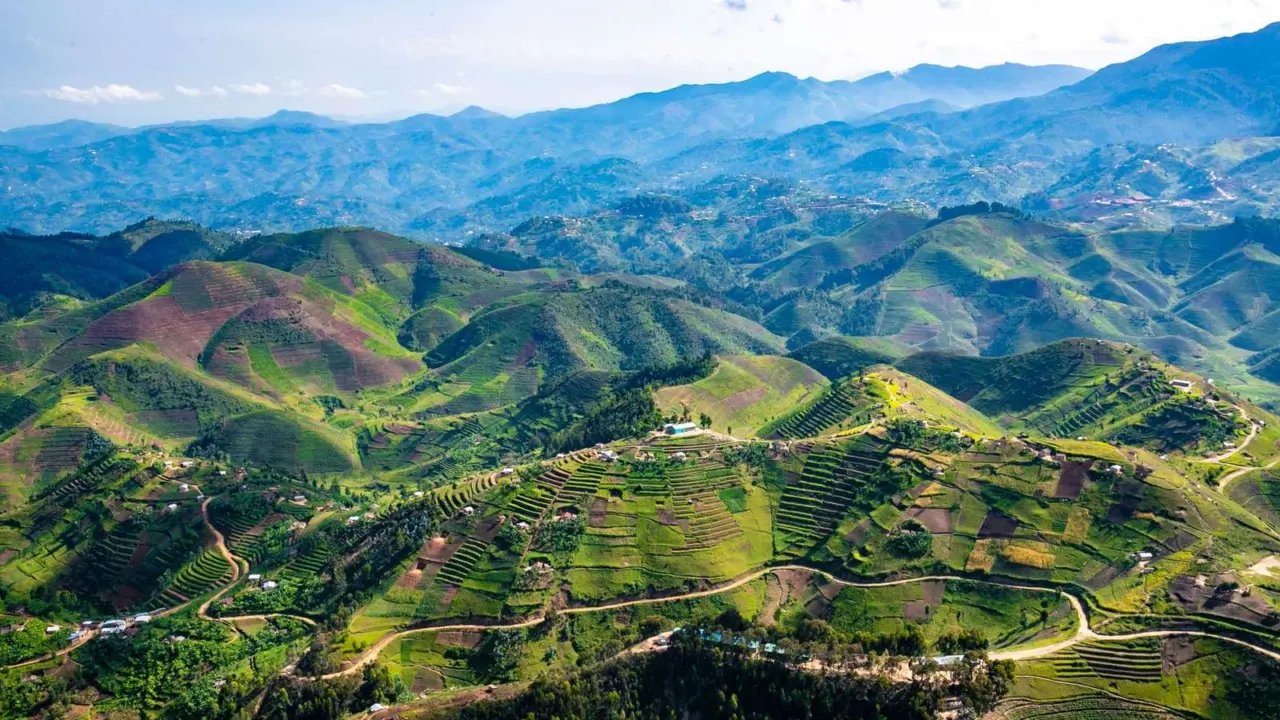
Hillside terraces cut erosion, but bare risers and bench edges can still wash out. Trees, shrubs and grasses planted on and around them hold the soil and add something useful.
Common roles that agroforestry trees play on a farm include:
- Fuelwood and timber, so households need not cut natural forest.
- Food from fruit trees, which also add income.
- Soil improvement and erosion control on slopes and terrace edges.
- Shade and shelter for crops and livestock.
The 2018 article describes agroforestry as the practice of integrating trees with crops and livestock. It says this provides products and services such as more diverse food, timber and fuelwood, and improved soil and water conditions.
A terrace changes how water moves across a slope, and trees change how that water is used. Roots hold soil in place, leaf litter feeds it, and canopies reduce the force of heavy rain. These are general agroforestry principles, and the sources we opened do not give Rwanda-specific measurements for them.
What the sources do show is the policy direction: with limited land, restoration has to happen on working farmland. That is why terraced hillsides, where soil is both precious and at risk, are a natural place for trees.
Choosing species and meeting farmers’ needs
Trees only spread if farmers want them. The 2018 article quotes an official saying, “We recognize that farmers want to plant fast-growing exotic tree species for fuel.”
That balance is a practical question for every farm. A fast-growing fuel tree helps a household now, while native species can support biodiversity and the wider landscape.
If you are comparing countries, the setting is different in agroforestry in tanzania, where land is less crowded. Another approach to look at is farmer managed natural regeneration, which grows trees from stumps and roots already in the field.
Why biodiversity is part of the story
The 2018 article opens by saying that increasing both the number of trees and species on farms helps conserve and restore biodiversity and improves agricultural productivity. That is where farms come in.
The same article reports that productive forests shrank from about 285,000 to around 258,000 hectares through conversion to agroforestry and agriculture, while agricultural land increased from 1,460,000 to around 1,503,000 hectares through conversion of productive forests and shrubland. Farm trees are therefore a way to keep farming and keep tree cover at the same time.
What this means on a hillside farm
None of the sources we could open gives a planting recipe for a particular terrace, so treat the points below as general reading of the evidence, not advice for your plot.
- Trees on farms are meant to add products, such as fuelwood and food, without taking more land out of crops.
- Species choice matters, because farmers want fast-growing species for fuel.
- Restoration on this scale needs millions of small decisions by farm households, not only national policy.
Local extension officers and forestry authorities are the right people to ask about species, spacing and seedling supply where you live. This site is independent and does not offer consulting, registrations or enquiries.
What drives adoption at scale
A 2016 study published by PROFOR set out to improve understanding of the key factors that drive adoption of tree-based systems at scale in Rwanda. According to the CIFOR-ICRAF record of the study, it aimed to make agroforestry interventions more effective in helping poor rural farmers enhance their food, income and energy security.
The same record says it also proposed an improved pathway for increased adoption at scale. We could not open the full report, so we do not quote its detailed findings here.
When you look at any programme, ask a few simple questions:
- Can small farmers get seedlings of the species they want?
- Does the tree fit the space left between crops, terraces and boundaries?
- Is there advice available after planting, not only at planting time?
Frequently asked questions
What is agroforestry in Rwanda?
Show answer
It means growing trees together with crops and livestock on farmland. Rwanda’s plans rely on it because land is limited.
How much of Rwanda’s restoration is meant to come from agroforestry?
Show answer
The November 2018 article says 85% of the restored tree cover would come through integrating more trees into farming systems.
What is Rwanda’s restoration target?
Show answer
As of the November 2018 article, 2 million hectares of degraded land, under the Bonn Challenge and related commitments.
Do farmers prefer exotic or native trees?
Show answer
The 2018 article says an official recognises that farmers want to plant fast-growing exotic tree species for fuel.
Why does agroforestry matter for Rwanda’s forests?
Show answer
The 2018 article says productive forests shrank through conversion to agroforestry and agriculture, and that more trees and species on farms help conserve and restore biodiversity.