Agroforestry in Africa means keeping or planting trees among crops and livestock, from Sahel parklands to shaded cocoa farms. If you want the regional picture, this overview covers where it works, what the evidence shows and where it struggles.
| Item | Value |
|---|---|
| AFR100 restoration target | 100 million hectares brought into restoration by 2030 |
| AFR100 commitments (October 2018) | 111 million hectares from 27 nations |
| Great Green Wall land target | 100 million hectares restored by 2030 |
| Great Green Wall carbon target | 250 million tons sequestered by 2030 |
| Great Green Wall jobs target | 10 million jobs by 2030 |
These figures come from the World Resources Institute’s October 2018 release and the UNCCD Great Green Wall news pages. Targets and commitments get revised, so check the source before you rely on them.
What agroforestry looks like across Africa
The term covers any farming system that deliberately keeps trees in fields, pastures or farm boundaries. If you are new to the idea, start with what is agroforestry and then return here for the regional view.
Africa is not one farming landscape, so no single model fits. The dominant systems differ by rainfall, soil, land tenure and markets.
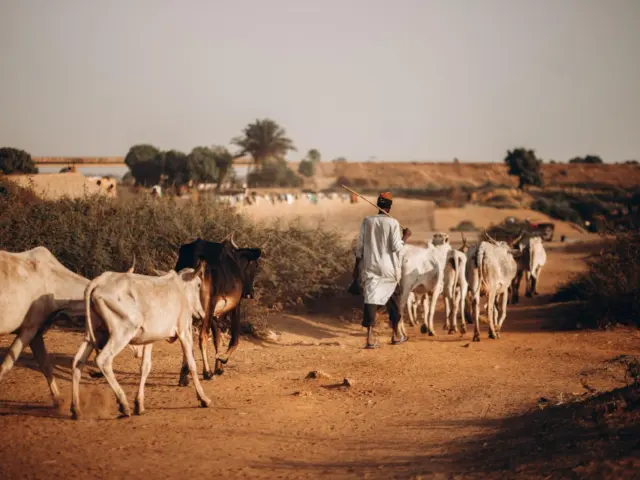
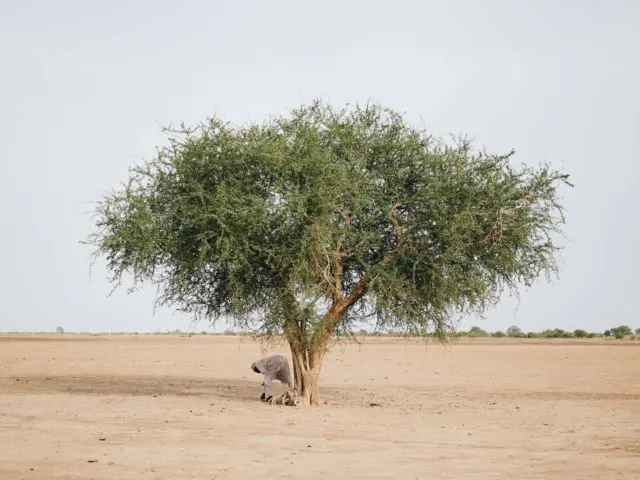
- Parklands in the dry Sahel and savanna, where scattered mature trees stand in cropped fields.
- Fertiliser trees in the maize belts of East and Southern Africa, where nitrogen-fixing species feed the soil.
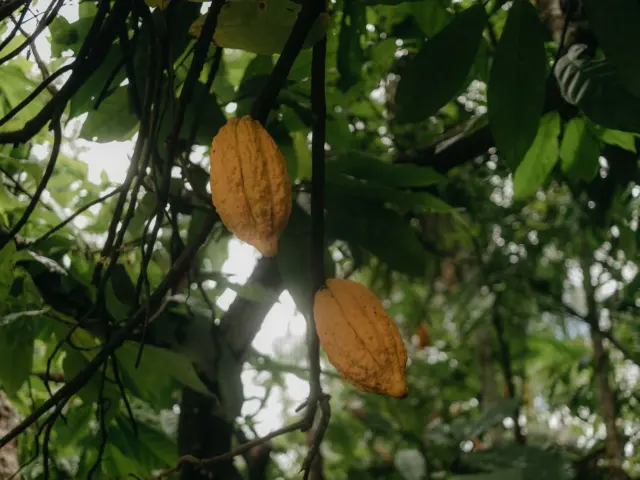
- Shaded tree crops such as cocoa and coffee in the humid west and the highlands.
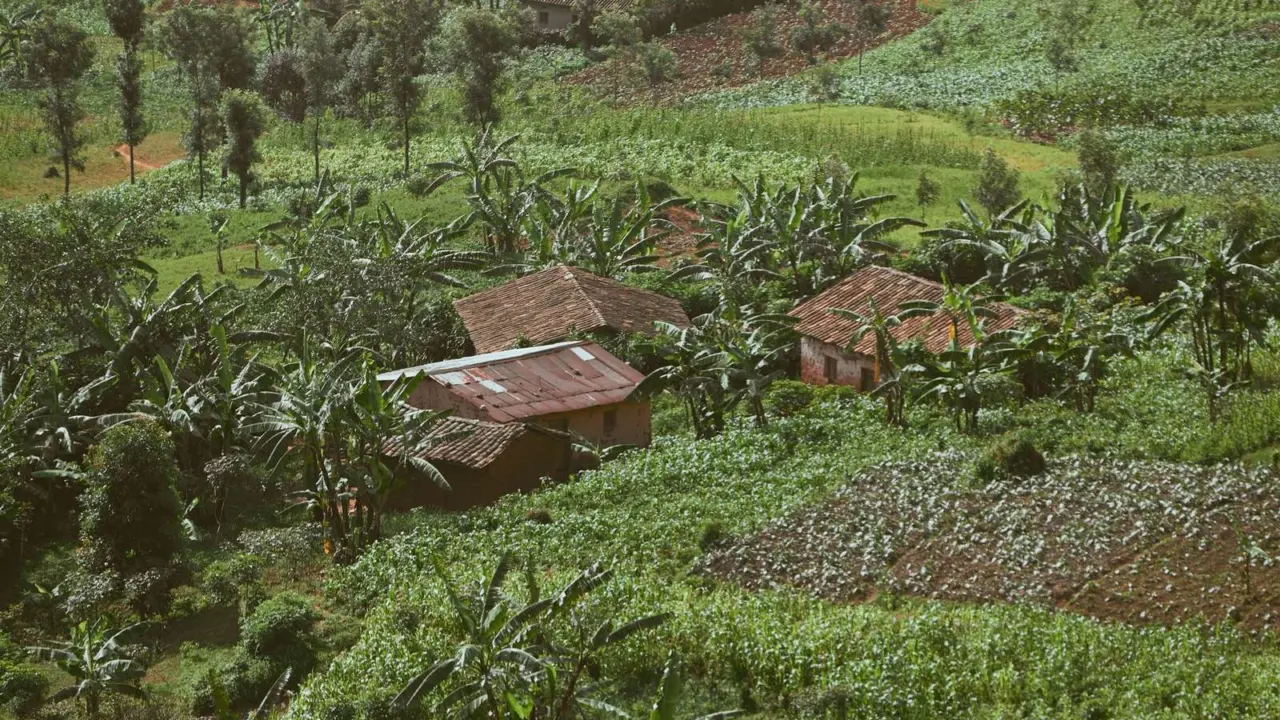
- Home gardens and boundary planting on small plots, supplying fruit, fodder, fuel and timber.
- Fodder trees and woodlots that ease pressure on natural forests.
The World Agroforestry Centre (ICRAF) is a research centre headquartered in Kenya, and it has projects across the continent. Its own partner profile lists work in Eastern, Southern, Western and Sahelian countries, including Ethiopia, Rwanda, Uganda, Kenya, Mali, Niger, Tanzania, Zambia and Somalia, as described on the AFR100 partner page.
Trees in farming landscapes do several jobs at once. They shade crops and animals, hold soil against wind and water, add organic matter, and provide products that families can eat or sell. The trade-off is that trees also compete with crops for light, water and nutrients, so species choice and spacing decide whether a system pays.
The Sahel: regreening drylands with farmer managed natural regeneration
The best-known African success story is in southern Niger. In the early and mid-1980s, soil fertility fell in marginal areas around the Sahara as people cut trees to make room for agriculture, and soil loss accelerated, according to a UNCCD library article on FMNR.
Farmers responded by protecting shoots that sprouted from old stumps and roots instead of clearing them. The method is covered in detail in our guide to farmer managed natural regeneration, and it costs little because the “planting” is mostly selective pruning and protection.
The same UNCCD article says that in Niger, about 5 million hectares of degraded Sahel landscapes have seen an increase in the number of trees. It also quotes an estimate that farmers are growing an additional 500,000 metric tons of grain a year through FMNR. Treat these as estimates rather than census counts.
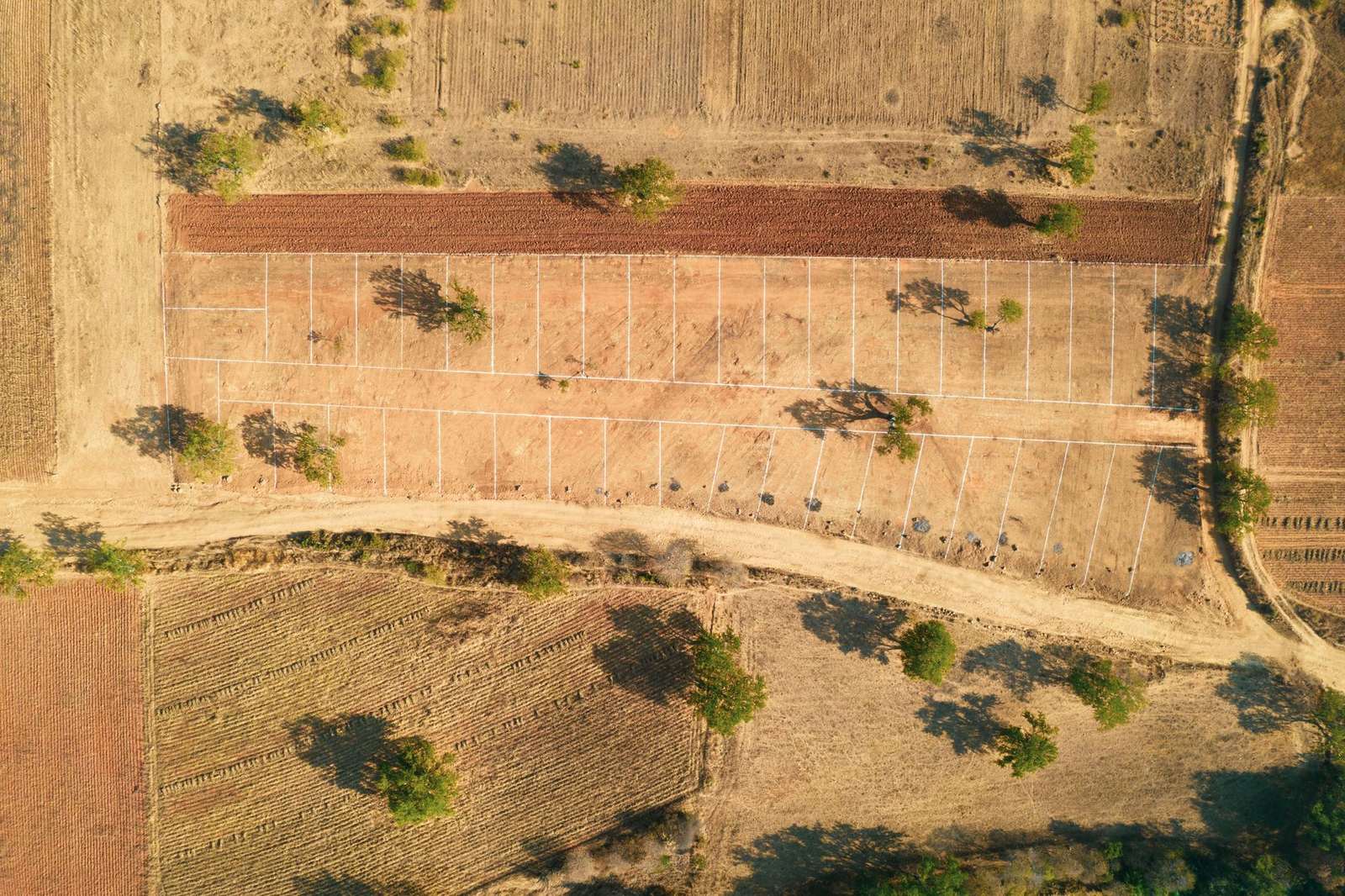
A UN-hosted project summary reports further local results. Its listed benefits include at least 250,000 hectares of degraded land reclaimed for crop production, and harvests doubling in some areas, as shown on the UN DESA partnership entry for FMNR. It also says many rural producers doubled or tripled their incomes through the sale of wood, seed pods and edible leaves.
Investment is now following the evidence. The UNCCD article notes that the Grand African Savannah Green Up project was set to invest US$85 million in FMNR, and it cautions that it is important to understand what FMNR is and when it might be a good choice. The approach works best where there are living root systems left in the soil and where farmers have a secure right to the trees they protect.
Lessons from the Sahel travel best as principles rather than recipes. Farmers gain when they can keep the trees they have nurtured, when techniques are cheap and learned from neighbours, and when the products have local uses such as fuel, fodder and food. Where those conditions are missing, the same method may stall.
Regreening is also gradual. Rather than a planting day, it is a slow shift in how a village treats the stems in its fields, and it can take several seasons before the extra shade, mulch and fuelwood are visible to everyone.
East and Southern Africa: fertiliser trees and farm forestry
In the maize-growing countries of the east and south, the question is often how to restore fertility when mineral fertiliser is costly. One answer is Faidherbia albida, an African acacia with an unusual habit: it is leafless during the crop season, so it drops its leaves and feeds the soil while the maize grows.
An FAO case study on Malawi and Zambia gives the clearest numbers. In Zambia, maize planted outside the tree canopy produced average yields of 1.9 tonnes per ha, compared to 4.7 tonnes when the crop was grown under the canopy. In Malawi, maize yields increased by 100 to 400 percent when the crop was grown with Faidherbia.
The same case study explains why the pairing works: maize can be grown directly under the leafless canopy, as the trees do not compete with the crop for light, nutrients or water while the maize is growing. It adds that the yield increases tend to be higher where soil fertility is low. On already fertile soils, expect a smaller gain.
Country experience varies, and each country has its own policies, species and markets. Our country guides cover the detail:
- Read about agroforestry in kenya for farm forestry and the tree-cover goals set at national level.
- See agroforestry in ethiopia for highland systems, enset gardens and the national planting campaigns.
- Follow agroforestry in malawi for fertiliser trees on small maize plots.
- Look at agroforestry in tanzania for traditional multistorey gardens and newer woodlots.
- Explore agroforestry in rwanda for terraced hillsides where trees stabilise steep slopes.
A common thread is that smallholders adopt trees when the benefit is visible within a few seasons. The FAO case study notes that Faidherbia yield increases tend to be higher where soil fertility is low, so the payoff is easiest to see on poorer plots.
West and Central Africa: cocoa, coffee and the shade question
In the humid forest belt, the main agroforestry issue is tree crops. Cocoa grown in full sun can yield well for a while, but cocoa plantations are associated with deforestation in Côte d’Ivoire and Ghana. Growing it under shade trees can reduce that pressure and store carbon, which is the logic behind cocoa agroforestry west africa.
Satellite analysis shows how far the sector still has to go. A preprint on arXiv mapped shade-tree cover across cocoa areas of Côte d’Ivoire and Ghana, and found that more than 80% of cocoa production is implemented on farms with less than 20% shade, and only 5.6% of cocoa is grown under shade levels at or above 30% cover, in the arXiv study of cocoa shade trees. The same paper mentions an average shade-tree cover of 13.2% across the region, in a discussion of how much planting efforts would change it.
That is a preprint, so it has not necessarily been through peer review, and satellite estimates of shade carry error. Even so, it points to a large gap between the shade levels recommended for certified or “forest-friendly” cocoa and what farms actually have.
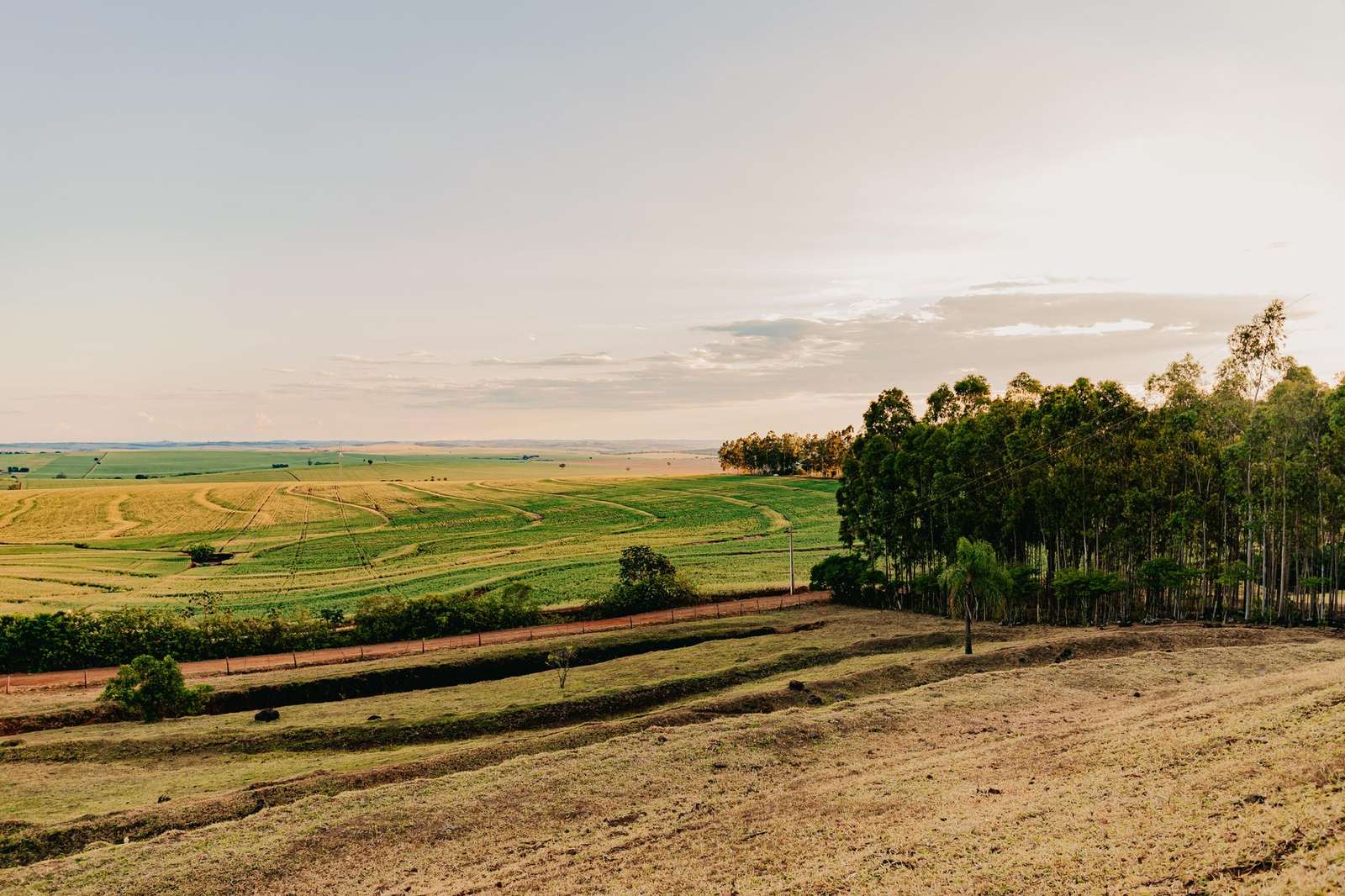
Coffee tells a similar story in the highlands of East Africa, where shade trees can protect bushes from heat and add fruit, timber or fuel on the same plot. The common lesson across tree crops is that shade is a management choice: too little exposes the crop to stress, and too much can reduce flowering, so farmers adjust canopy over time.
Closing the gap depends on more than seedlings. Farmers need clear rights to the trees they plant, a market for the shade trees’ products, and a price for cocoa that justifies lower sun-grown yields in exchange for resilience. Without these, planting campaigns often see trees die or get cleared.
Continental pledges: AFR100 and the Great Green Wall
Two large initiatives frame agroforestry in policy. The first is AFR100, which was launched in 2015 in response to the African Union mandate to bring 100 million hectares of land into restoration by 2030. As of the World Resources Institute’s October 2018 release, twenty-seven nations had committed to restore 111 million hectares of degraded land, exceeding the target, and the initiative was led by the African Union’s NEPAD Agency, as the WRI release states.
Commitments are pledges to begin restoration, not proof that trees are standing. The WRI release says the initiative is led by the African Union’s NEPAD Agency in partnership with 27 participating countries.
The second is the great green wall africa initiative. The UNCCD describes it as a vision to create an 8,000 km-long mosaic of projects across the continent, and its stated goals by 2030 are to restore 100 million hectares of land, sequester 250 million tons of carbon and create 10 million jobs. Those figures come from the UNCCD Great Green Wall news pages.
For readers tracking these pledges, it helps to separate three things: a commitment on paper, money actually flowing, and trees surviving on the ground. Reports often mix them, so look for the measurement method behind any headline number, and note the date of the report.
The wall is better understood as a mosaic of local projects than a literal line of trees. Because progress is reported in different ways, check recent UNCCD reports before quoting a completion figure.
Matching trees and systems to place
Good agroforestry starts with the site, not the species list. A tree that thrives on a humid hillside may fail on a sandy Sahel plain, and a system that suits a farm with ample labour may be impractical for a household short of hands.
Three questions usually narrow the choice quickly:
- What is the rainfall pattern? Dry, single-season areas favour deep-rooted native species that tolerate pruning and drought, while wetter areas allow fruit trees, coffee and cocoa.
- What does the household need? Fuel, fodder, fruit, timber, medicine and cash all point to different trees, and many farmers want several of these at once.
- Who controls the trees? If the state or a landlord owns the trees on your land, planting is a poor investment, so tenure often decides the system before ecology does.
Native species deserve a serious look because they are already adapted to local soils, pests and climate, and farmers often know them well. Exotic trees can grow faster, but they sometimes bring problems such as heavy water use or spread beyond the field, so local trial and advice help.
Common tree functions on African farms
- Soil building: nitrogen-fixing trees and shrubs add fertility and leaf litter.
- Fodder: leaves and pods feed livestock in the dry season when grass is short.
- Fuel and building poles: woodlots and coppiced trees reduce the need to cut natural forest.
- Food and income: fruit, nuts, gums, honey and leaves can be eaten or sold.
- Protection: windbreaks and live fences shield crops and mark boundaries.
Managing the trade-offs
Trees are not free. Close to a crop row, a dense canopy can cut light and take water, so farmers prune, pollard or thin to keep competition low. The Faidherbia example works partly because the tree’s leaf cycle is timed to avoid clashing with the crop.
Planting is also only the start. Young trees need protection from browsing animals, fire and drought, and a plan for who will care for them in the first dry seasons. Many failed tree campaigns planted well but did not arrange this aftercare.
Finally, think about the whole farm rather than single fields. A mix of fast fodder shrubs, medium-term fruit trees and long-term timber spreads risk and income across the years, and it lets a household start with a small plot and expand as confidence grows.
What holds agroforestry back, and what helps?
Several obstacles come up repeatedly when farmers try to adopt agroforestry, from rights and money to information.
- Insecure tenure. A farmer who may lose the land, or who does not own the trees on it, has little reason to invest in slow-growing species.
- Seed and seedling supply. Good planting material, and the knowledge to choose it, is often hard to find near the farm.
- Labour and cash timing. Pruning, watering and protecting young trees compete with other tasks, and payback can take years.
- Weak markets. Fruit, fodder or wood needs a buyer and a road to be worth growing.
- Tree-crop competition. Poor spacing or species choice can cut yields, which is why trials and local advice matter.
Several things consistently help. Rules that let farmers own and harvest the trees they protect, advice built on local species, and links to buyers all speed adoption. The wider context of land, water and governance is discussed in our overview of natural resource management in africa.
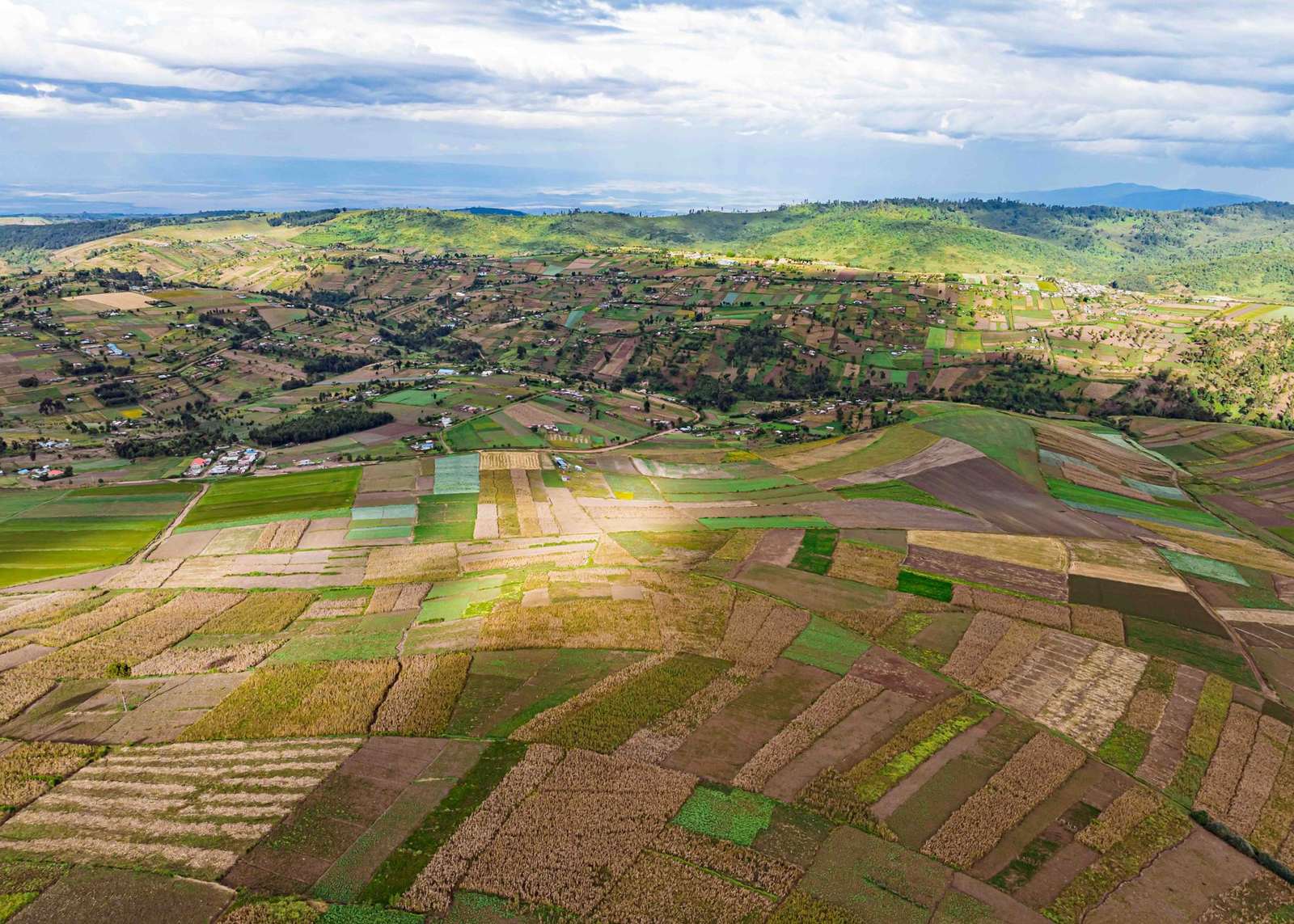
Evidence also needs honest framing. Results quoted here, such as the Zambian yields or the Niger hectares, are location-specific or estimated, and they should not be assumed to carry over to every farm. Pilot trials on a small plot are a sensible first step before scaling up.
Frequently asked questions
What is agroforestry in Africa?
Show answer
It is the deliberate use of trees together with crops or animals on the same land. In Africa that spans Sahel parklands, fertiliser trees in maize fields, shaded cocoa and coffee, and home gardens.
Does agroforestry raise crop yields?
Show answer
Sometimes. The FAO case study reports maize at 4.7 tonnes per ha under Faidherbia canopies in Zambia versus 1.9 tonnes outside, but gains are larger on poor soils and not guaranteed everywhere.
How much land has FMNR regreened in Niger?
Show answer
Estimates put it near 5 million hectares, though that is a rough figure from published reporting rather than a precise survey, and the exact area depends on how regreening is measured.
Is cocoa agroforestry widespread in West Africa?
Show answer
Not yet. A preprint on arXiv found only 5.6% of cocoa grown under shade levels at or above 30% cover in Côte d’Ivoire and Ghana.
What are AFR100 and the Great Green Wall?
Show answer
AFR100 is a country-led restoration commitment with a target of 100 million hectares by 2030. The Great Green Wall is a Sahel-focused initiative with goals to restore 100 million hectares, sequester 250 million tons of carbon and create 10 million jobs by 2030.